Indonesia's P2MI ministry strengthens young workers' readiness for Japan labour market
Deputy Minister Christina Aryani inspected Japanese-language training for SMK Go Global participants in Yogyakarta as P2MI prepares young Indonesian workers for official placements in Japan.
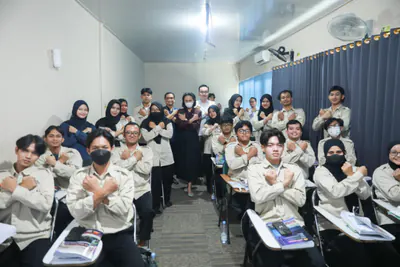
The Ministry of Protection of Indonesian Migrant Workers (P2MI) is broadening the readiness of young Indonesian workers for jobs in Japan through the SMK Go Global programme, which prepares vocational high school trainees for overseas work. Deputy Minister Christina Aryani inspected Japanese-language training at the private job training institution (LPKS) Bina Insani in Yogyakarta on Wednesday, 11 November 2026.
According to a report by TVRI News, Christina spoke with SMK Go Global participants from nursing and hospitality who are being prepared for Japan’s Specified Skilled Worker (SSW) scheme. She urged them to deepen their Japanese, understand the culture of the destination country and manage the placement process independently so that departure costs can be kept efficient.
“This language ability will be an important asset for building your careers in Japan,” Christina said.
Christina praised the enthusiasm of participants from a range of skill backgrounds, noting that they were being prepared through official channels. The government affirmed that support would continue through the Yogyakarta office of the Migrant Workers Protection Service Office (BP3MI).
The SSW scheme and the challenges of placing workers in Japan
The placement of Indonesian migrant workers in Japan is governed by a state protection framework. Since Law No. 18 of 2017, the government has treated migrant workers as citizens whose rights must be protected throughout the process, from the start of the process to the end. Training in language, skills and culture is therefore part of preparation, not merely administrative formality. Such training also helps prospective workers recognise their rights to information, occupational safety and social security in the destination country.
The Specified Skilled Worker, or SSW, scheme is known as an official route for foreign workers seeking to fill needs in selected sectors in Japan. Participants are usually tested on their Japanese language ability and technical skills so they can work according to the standards of receiving companies. The scheme is distinct from informal routes, which are prone to high costs, unclear documents and exploitation risks. Official channels are easier to monitor, although they still require participants to be independently prepared.
In Indonesia, preparation of prospective migrant workers often involves job training institutions, local governments and migrant worker protection offices. Their role is important to ensure candidates understand their rights, obligations, employment contracts and complaint channels before departure. When participants come from vocational high schools or vocational programmes, the main challenge is aligning school-based skills with the needs of industries in the destination country. This also helps prevent non-procedural placements and reduce unnecessary costs from the outset. Local governments and training institutions can serve as the first entry point for verifying job information.
Japan itself faces demographic pressure from an ageing population and a shrinking workforce. That has led its government to open opportunities for foreign workers in sectors such as care, hospitality and other services that require diligence. For prospective Indonesian workers, understanding the changing Japanese labour market means preparing not only to work, but also to sustain themselves in an environment that demands discipline, language and cultural adaptation. Language readiness is therefore not simply a selection tool, but preparation for safety and productivity.
What it means for Indonesian job seekers
For readers in Indonesia, programmes such as this touch on a practical question: is there an official way to work abroad without falling into heavy debt or fraud risk? When prospective workers are equipped with Japanese language skills and cultural knowledge, they are better able to assess job offers, read contracts and reject parties promising quick departures without proper procedure. This matters because many young job seekers still rely on word-of-mouth information.
The impact is also felt in local labour markets. Training institutions, vocational schools and local governments can use demand from Japan as a benchmark for curricula, so participants pursue competencies actually needed by employers rather than certificates alone. For migrant workers’ families, safe placement means remittance flows are likely to be more stable and the risk of losing contact is reduced. For local industries, Japanese standards can encourage improvements in service quality and workforce discipline.
The key issue going forward is oversight of implementation. Training alone is not enough if placement costs, contracts and complaint channels are not transparent. Readers interested in working in Japan should compare official information, check the legality of institutions and understand that the destination country requires language and cultural readiness before departure. If procedures are tightened, public trust in official channels can also rise.