Indonesia accelerates methane emissions cuts in waste, agriculture and energy
Indonesia is moving from climate pledges to concrete action to cut methane emissions in waste, agriculture and fossil fuel operations.
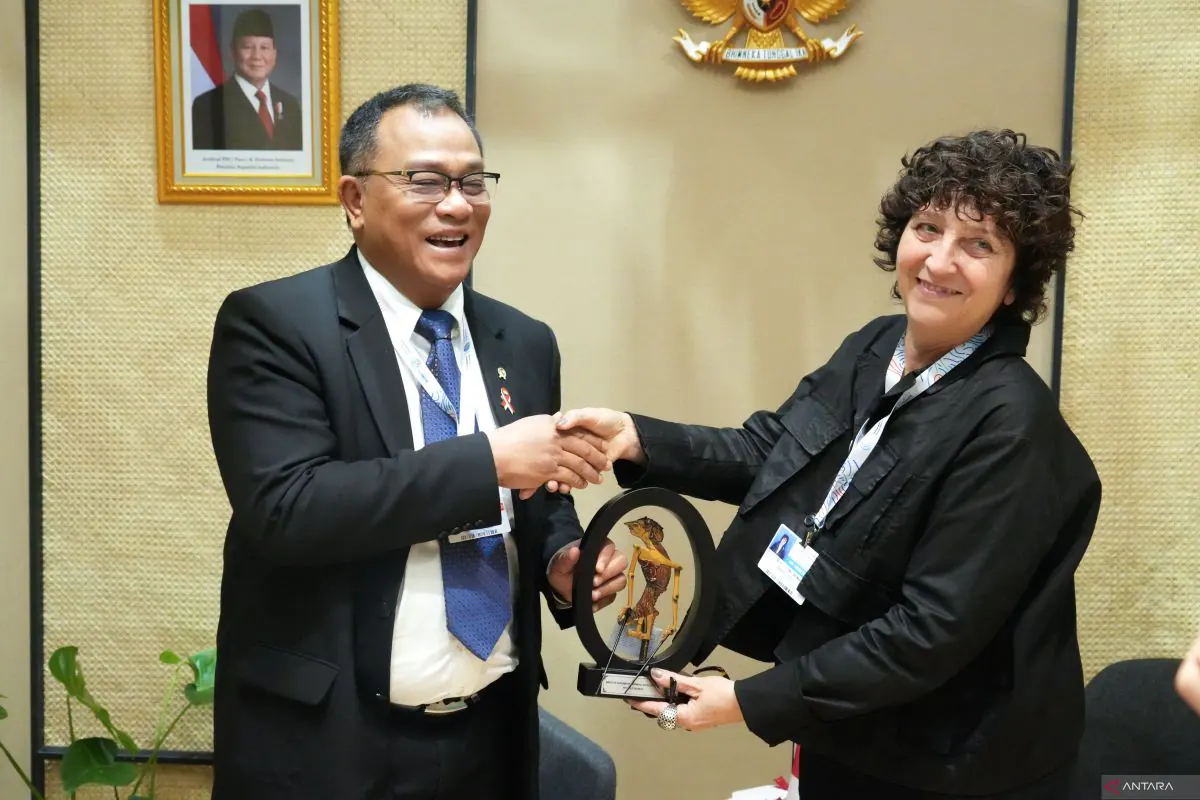
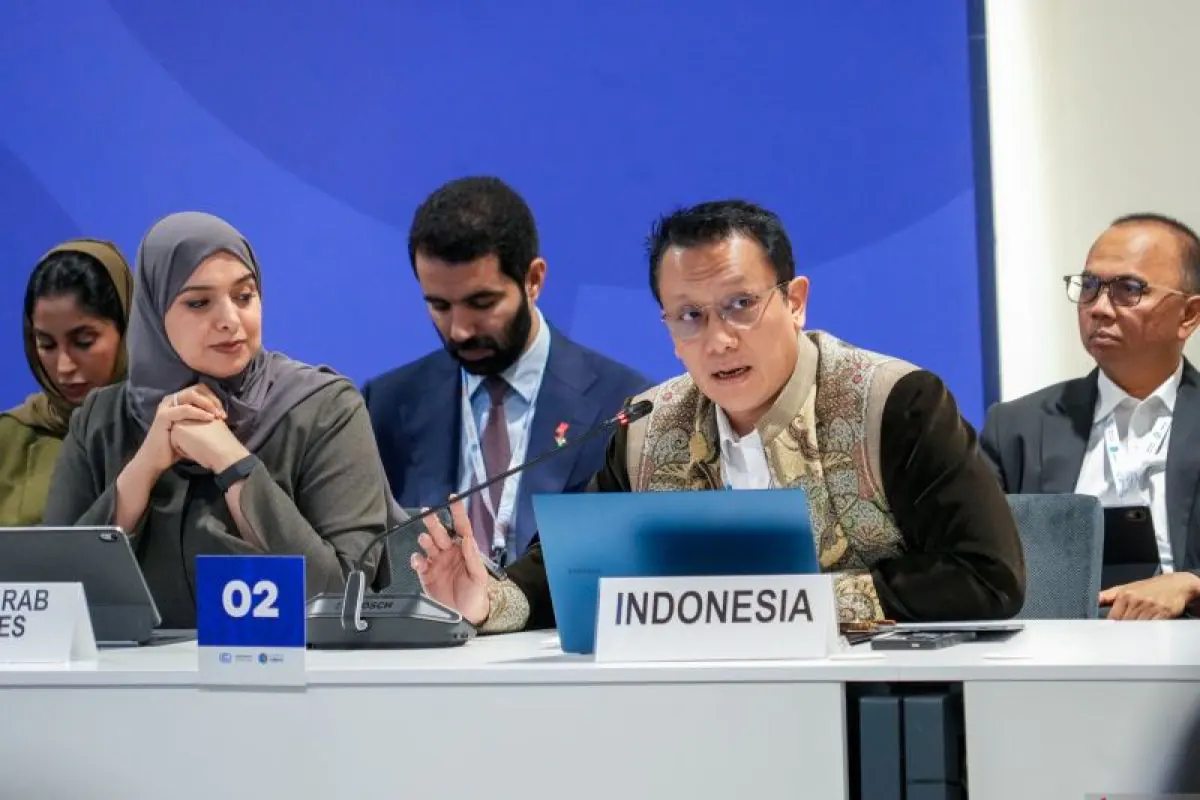
The Ministry of Environment said Indonesia is moving from climate commitments to concrete implementation to accelerate cuts in methane emissions in the waste, agriculture and fossil fuel sectors. Environment Minister Jumhur Hidayat made the remarks at a ministerial meeting during the United Nations Climate Change Conference (COP31) in Antalya, Turkey, on Wednesday, 11 November, according to a report by state news agency ANTARA.
According to the report, Indonesia targets a 31.89 percent emissions reduction unconditionally and up to 43.20 percent with international support by 2030 in its updated national climate document. Jumhur said a cross-sector strategy is now central, ranging from ending open waste dumping and testing low-emission rice to detecting methane leaks in oil and gas operations.
The government also formed the Super Pollutant Unit Indonesia in October 2026 to tackle short-lived pollutants. Funding for methane mitigation is being channeled through Presidential Regulation No. 110 of 2025 on carbon trading and state green sukuk (Islamic bonds), while Presidential Regulation No. 109 of 2025 facilitates waste-to-energy processing.
The role of methane in Indonesia's climate targets
Methane is a greenhouse gas released by the decomposition of organic matter without oxygen, flooded rice paddies, livestock waste and leaks in oil and gas production and distribution. In global climate discussions, it is often called a short-lived pollutant because it remains in the atmosphere for less time than carbon dioxide (CO2) but traps more heat over the near term. Cutting methane can therefore deliver faster results in slowing warming, although it does not replace the need to reduce carbon dioxide over the long term. Countries are also paying more attention to methane because rapid action can improve local air quality, especially from the burning and decomposition of urban waste.
The Conference of the Parties (COP) is the annual meeting of parties to the UN climate convention to update commitments, financing mechanisms and technical rules for implementation. Methane has entered climate discussions because its sources are spread across sectors that touch daily life: final waste disposal sites (landfills), farmland, the food industry and energy infrastructure. Addressing it cannot rest on a single ministry; it requires coordination among agencies, measurement standards and economic incentives for businesses and communities.
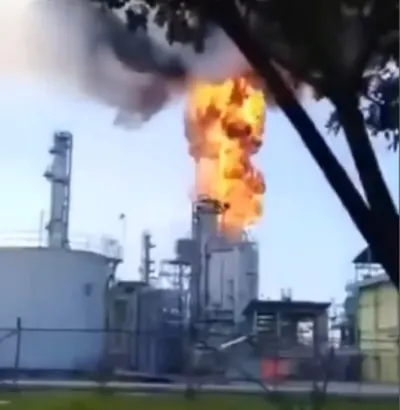
In Indonesia, the waste sector is under scrutiny because high volumes of organic waste in many cities still end up accumulating at final disposal sites. If waste is not sorted, processed or converted into energy, its decomposition can release methane. In agriculture, water management in rice paddies and livestock feed practices are key points because different practices can change the amount of gas emitted. In energy, leaks at oil and gas facilities are often invisible without monitoring technology, making infrastructure repair part of the climate strategy. Satellite monitoring and field sensors are therefore beginning to be used to find leak points that routine reports have missed.
Emission accounting standards also determine whether policies succeed. Without uniform methods, data from different regions and sectors are hard to compare, and climate targets can easily remain numbers on paper.
Impact on waste, farmers and energy
For readers in Indonesia, the plan to cut methane emissions is most visible in waste management. If open dumping at final disposal sites is reduced, nearby residents can benefit from lower odors, a lower risk of waste fires and lighter environmental pressure. But those benefits depend on sorting at the household level, orderly collection and processing facilities that actually operate. Without readiness at the regional level, national targets will become only an administrative burden for city governments.
In agriculture, changes to irrigation practices and livestock feed can affect production costs and farmers' work habits. Adequate technical assistance can help maintain harvests while reducing emissions, but farmers still need to see that the measures do not lower their income. Financing support, market certainty and affordable tools will therefore determine whether adoption spreads widely or remains limited to pilot projects.
Meanwhile, any direct link to consumer energy prices cannot yet be confirmed. Efforts to detect and repair methane leaks first affect operational efficiency, companies' environmental image and carbon trading potential. For the public, what needs to be watched is whether these projects actually reduce emissions, rather than simply adding a green label to industrial activities.