Government reaffirms strict conditions for Javan rhino relocation
The government has reaffirmed that relocating Javan rhinos to Alas Purwo National Park in East Java will wait for a scientific study on food, water, roaming space and habitat security.
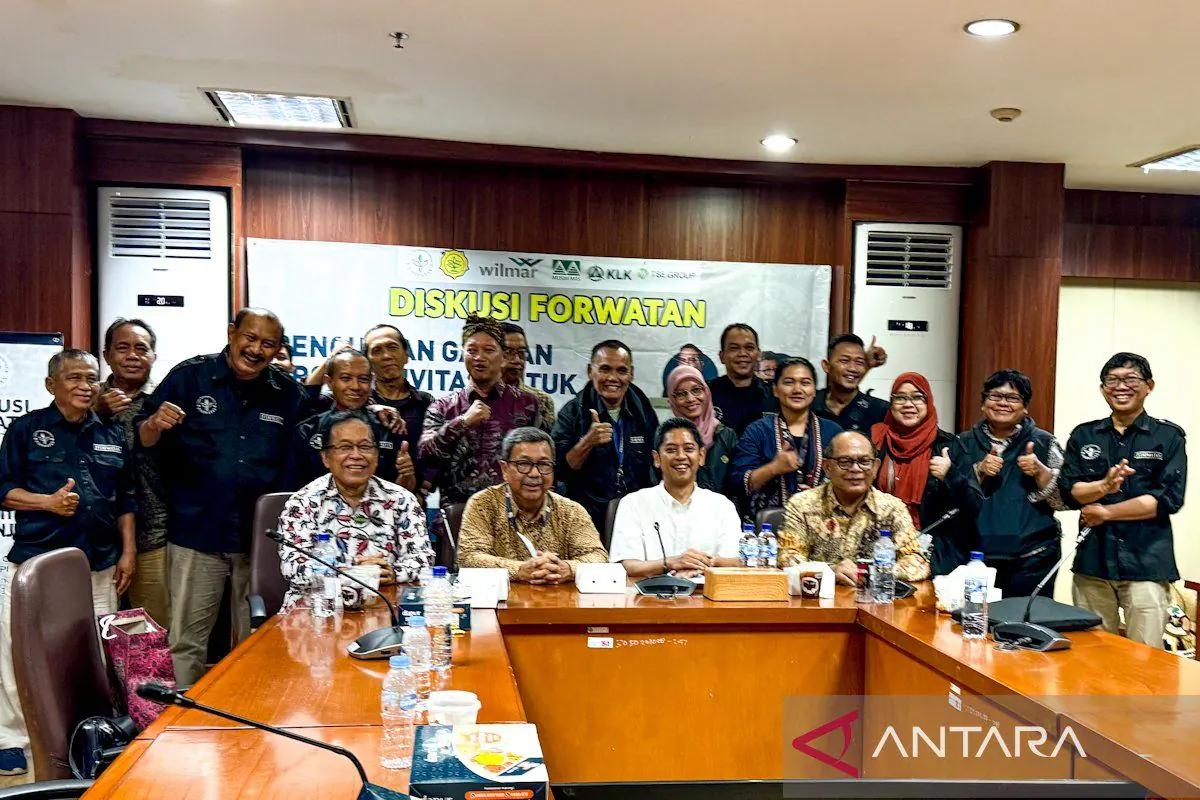
The government has reaffirmed that plans to relocate Javan rhinos (Badak Jawa) to Alas Purwo National Park (Taman Nasional Alas Purwo) in East Java (Jawa Timur) will not proceed until a scientific study declares the habitat suitable. Muhamad Hidayat, a principal expert at the Government Communication Agency (Badan Komunikasi Pemerintah), said on Tuesday, 17 November 2026, as reported by TVRI News.
He said an evaluation is still underway to test the area’s carrying capacity, from food and water to roaming space, wallows, security and conflict risks. Technical policy has been entrusted to the Ministry of Forestry (Kementerian Kehutanan). Hidayat said, “There will be no relocation before a scientific study confirms the availability of food, water, wallows, roaming space and habitat security.”
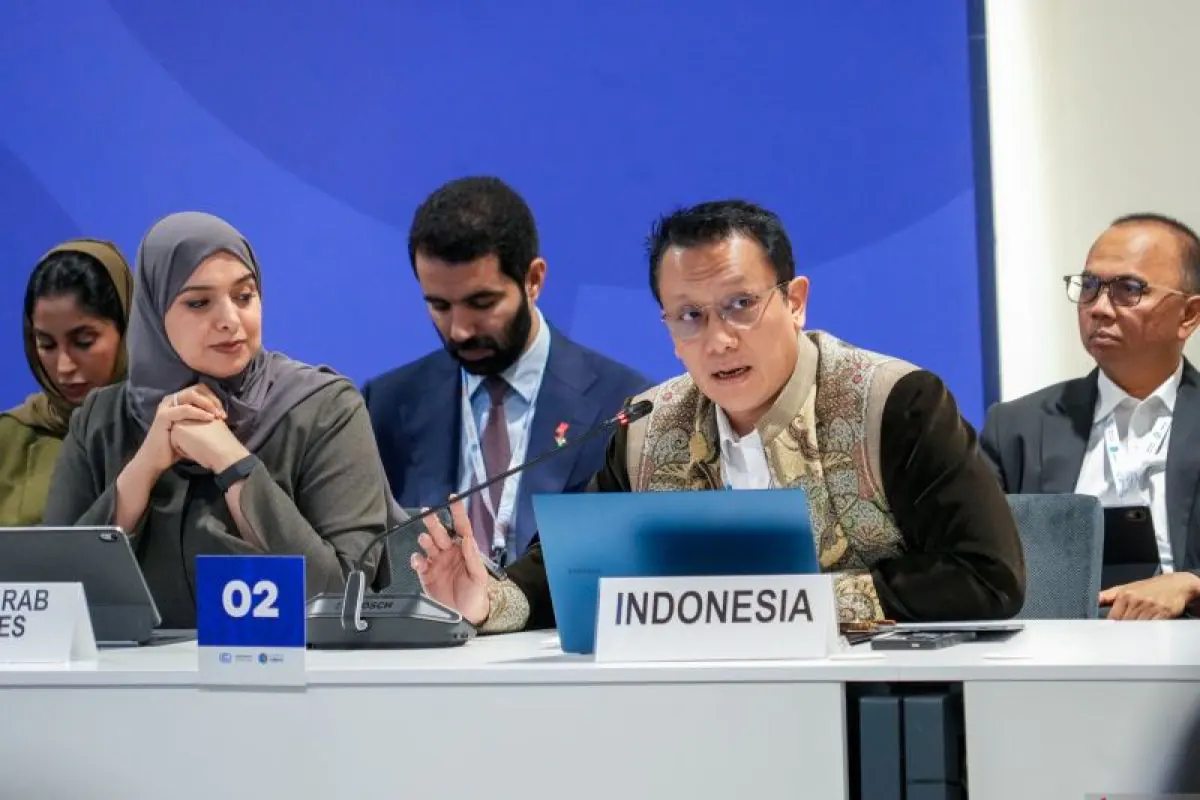
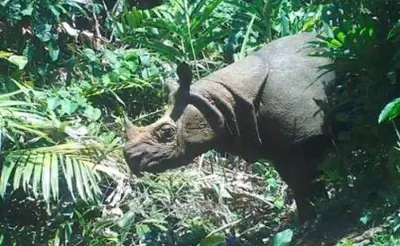
Earlier, a similar commitment was made by the President’s Special Envoy (Utusan Khusus Presiden) at the COP31 climate summit in Antalya, Turkey, on 12 November 2026. The entire Javan rhino population is now concentrated in Ujung Kulon National Park (Taman Nasional Ujung Kulon) in Banten province, with an estimated population of fewer than 100 individuals. Low genetic variation caused by inbreeding, recorded at 58.5 percent, is also a reason for intervention.
The risk of a single population and a second habitat
The Javan rhino is known as one of the world’s rarest large mammals. In conservation discussions, a second habitat refers to efforts to build a backup population in another location so the species does not depend on a single area. This strategy is commonly used when one population faces risks from natural disasters, disease outbreaks, human-wildlife conflict or habitat damage that could wipe out the entire group at once.
The situation of the Javan rhino illustrates why caution is needed. When all wild individuals are confined to one landscape, a single major event can become an existential threat. Relocation is therefore not simply moving animals, but moving the burden of risk. Habitat suitability must be tested by long-term carrying capacity, not by area size alone.
The technical aspects that usually determine suitability include year-round food availability, access to water, muddy places for skin care, sufficient home range and pressure from other animals. Mud wallows, for example, are not landscape decoration: they help rhinos regulate body temperature and protect their skin from insects. Roaming space is also important because rhinos need enough area to feed, mate and avoid conflict.
Genetic variation is another challenge. Small, isolated populations are vulnerable to inbreeding, which can reduce disease resistance and adaptability. Relocation without genetic management could simply move the problem without addressing its root cause. Scientific recommendations therefore usually involve ecologists, conservation specialists, animal health experts and long-term monitoring. Alas Purwo itself is known as a conservation area in East Java with lowland forest, grassland and coastal ecosystems. These characteristics make the area frequently mentioned in conservation discussions, but its status as a candidate second habitat must still be proven through field surveys rather than assumptions. Area security also cannot be separated from supervision and acceptance by surrounding communities. Without consistent patrols and clear spatial planning, a new habitat could become a conflict-prone zone.
What the public should watch
For readers, this issue may not directly touch prices or daily needs. But conservation policy for rare animals determines whether natural resources, protected areas and environmental funds are managed on a scientific basis or under time pressure. The Javan rhino relocation is also a test of whether the state can balance the urgency of saving a species with the safety of individual animals being moved.
What should be monitored is whether the Alas Purwo habitat study is published in a concise, publicly accessible form, including survey methods, carrying-capacity assumptions and a post-relocation monitoring plan. Decisions by the Ministry of Forestry also need to be accompanied by oversight mechanisms, long-term budgeting and involvement of surrounding communities so that wildlife conflicts do not shift to a new location. The public also has the right to see whether success indicators are set before relocation, such as survival rates, reproduction and minimal conflict, rather than merely the number of rhinos successfully moved.
For regions, a backup population can open opportunities for environmental education and conservation-based nature tourism, but those benefits are not automatic. If a second habitat fails, ecological costs and damage to conservation reputation could be greater than short-term gains. The government’s insistence on “waiting for evidence” is therefore an important part of modern conservation governance.