Giring, Raja Juli and Isyana step down from PSI
Giring Ganesha, Raja Juli Antoni and Isyana Bagoes Oka have resigned from the Indonesian Solidarity Party (PSI) to focus on their duties in President Prabowo Subianto’s government.
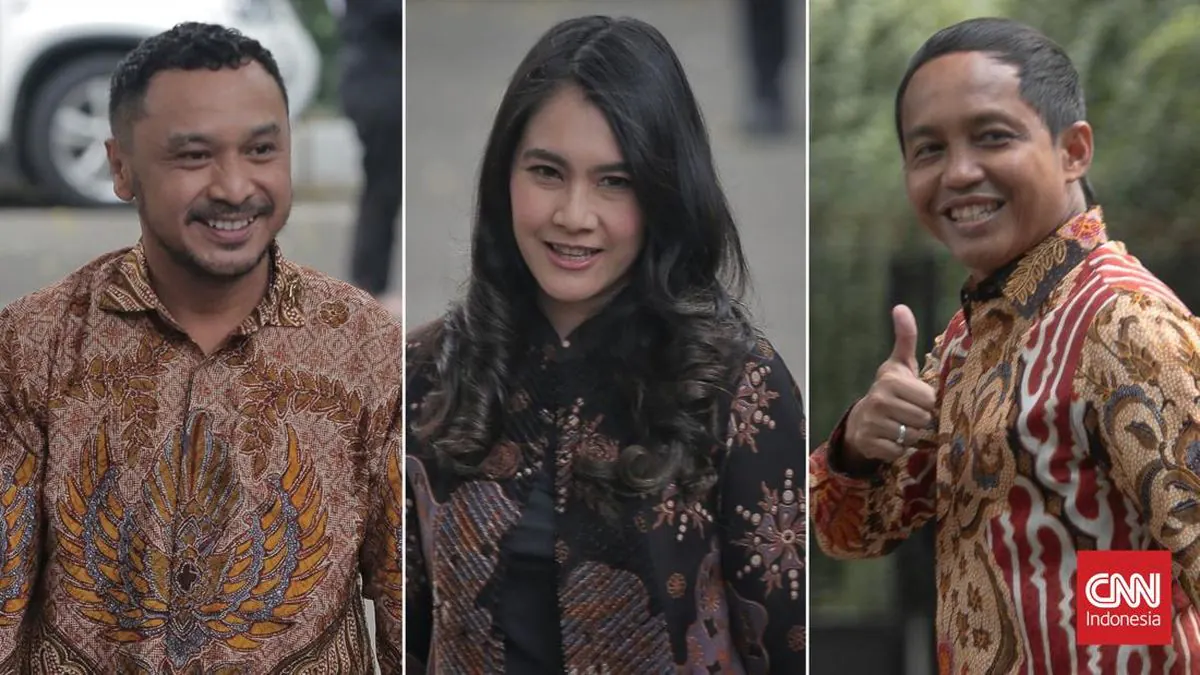
Three senior cadres of the Indonesian Solidarity Party (PSI) — Giring Ganesha, Raja Juli Antoni and Isyana Bagoes Oka — stepped down on Monday, 9 November, saying they wanted to stop party activities and focus on duties in President Prabowo Subianto’s administration.
According to a CNN Indonesia report, Giring, the Deputy Minister of Culture and former PSI chairman, announced first that he was no longer aligned with the party. He wrote, “I ask permission to leave PSI.”
Raja Juli Antoni resigned as PSI secretary-general after sending a letter to party chairman Kaesang Pangarep. Kaesang was reported to understand and accept the move. Raja Juli said he wanted to focus on his work as Minister of Forestry, including forest rehabilitation, ecosystem restoration and forest fire response.
Isyana Bagoes Oka followed with a resignation letter from vice chair of the PSI central board (DPP). She said she would focus on her role as Deputy Minister of Population and Family Development, particularly on the human resources and family planning agenda.
Party roles in Prabowo’s cabinet
The decision by the three PSI cadres highlights the position of political parties in the cabinet. In Indonesia, minister and deputy minister posts are often filled by people with party backgrounds, although others come from the bureaucracy, academia or business. When someone enters government, their focus shifts from the party machinery to implementing state policy. Stepping down from party structural posts can be read as a way to separate the interests of a political organisation from administrative duties.
PSI is known for relying on young cadres and public figures. The names Giring Ganesha, Raja Juli Antoni and Isyana Bagoes Oka are associated not only with the party but also with the government positions they hold. In the party structure, the chairman is the symbol of leadership, while the secretary-general and vice chair run the organisation. When those three posts were vacated at once, PSI lost some of the familiar faces that had long helped grow the party.
The explanations from the resigning cadres also touched on policy terms that readers may need to understand. Raja Juli referred to forest rehabilitation, ecosystem restoration and biodiversity as President Prabowo’s directives. These terms refer to efforts to restore forest functions, repair damaged environments and maintain biodiversity. Isyana mentioned Asta Cita, the priority framework of the Prabowo administration. In that context, human resources development and family planning are part of the national agenda, not merely technical ministry programmes.
On the other hand, cadres leaving the party does not automatically mean leaving politics. Minister and deputy minister posts remain attached to executive power, but no longer provide direct access to party structures. This can affect how cadres mobilise support, maintain voter bases and negotiate positions in future electoral contests. For PSI, the move by three of its cadres is also a test of how the party builds regeneration when key figures choose the government path. The situation also serves as a reminder that party loyalty is not always identical to state office.
What the public should watch
For readers in Indonesia, the departure of three PSI cadres is not just internal party business. The posts they left are tied to policies that touch daily life. The Minister of Forestry influences business permits, forest fire prevention and environmental recovery. The Deputy Minister of Population and Family Development relates to family planning services, reproductive health and human resources programmes. The Deputy Minister of Culture concerns cultural preservation and public expression spaces. The public can also trace whether those policies actually reach forest-fire-prone areas and families with limited access to services on the ground.
The immediate impact cannot yet be measured from the resignation announcements alone. What needs to be watched is whether the ministries continue running programmes without disruption, how PSI fills the structural vacancies and whether the resigning cadres can still work effectively without party support. If political coordination weakens, targets for forest rehabilitation, family planning or human resources development could slow. Conversely, if the separation reduces conflicts of interest, policies could focus more on results.
For voters, the episode is a reminder that parties and government are not the same box. A person can have been a party cadre and then prioritise state duties. What deserves scrutiny is not loyalty to a party flag, but ministry performance, policy transparency and the benefits received by citizens. Public oversight remains important.
Related news
- President Prabowo ensures economic fundamentals remain strong
- Prabowo’s limited meeting discusses inflation, purchasing managers’ index and state budget efficiency
- Prabowo concerned over alleged wiretapping of head of state