Gibran Returns to Social Media, Discusses Eastern Indonesia Education and AI
Vice President Gibran returned to social media on 10 November 2026, highlighting education in eastern Indonesia and AI literacy for young people.

Vice President Gibran Rakabuming Raka resumed posting about his activities on social media on Tuesday, 10 November 2026, after being absent since 30 October 2026. According to TVRI News, the news service of state broadcaster TVRI, the post highlighted an education agenda in eastern Indonesia and artificial intelligence development for young people.
In a post on the Instagram account @gibran_rakabuming, Gibran received administrators of Ruang Aksi Pemimpin Indonesia (RAPI), the Indonesian Leaders Action Space, in Jakarta. He discussed strengthening the quality of education, particularly children's basic reading and numeracy skills, and urged the expansion of the GASING learning method in ways adapted to local culture and community potential.
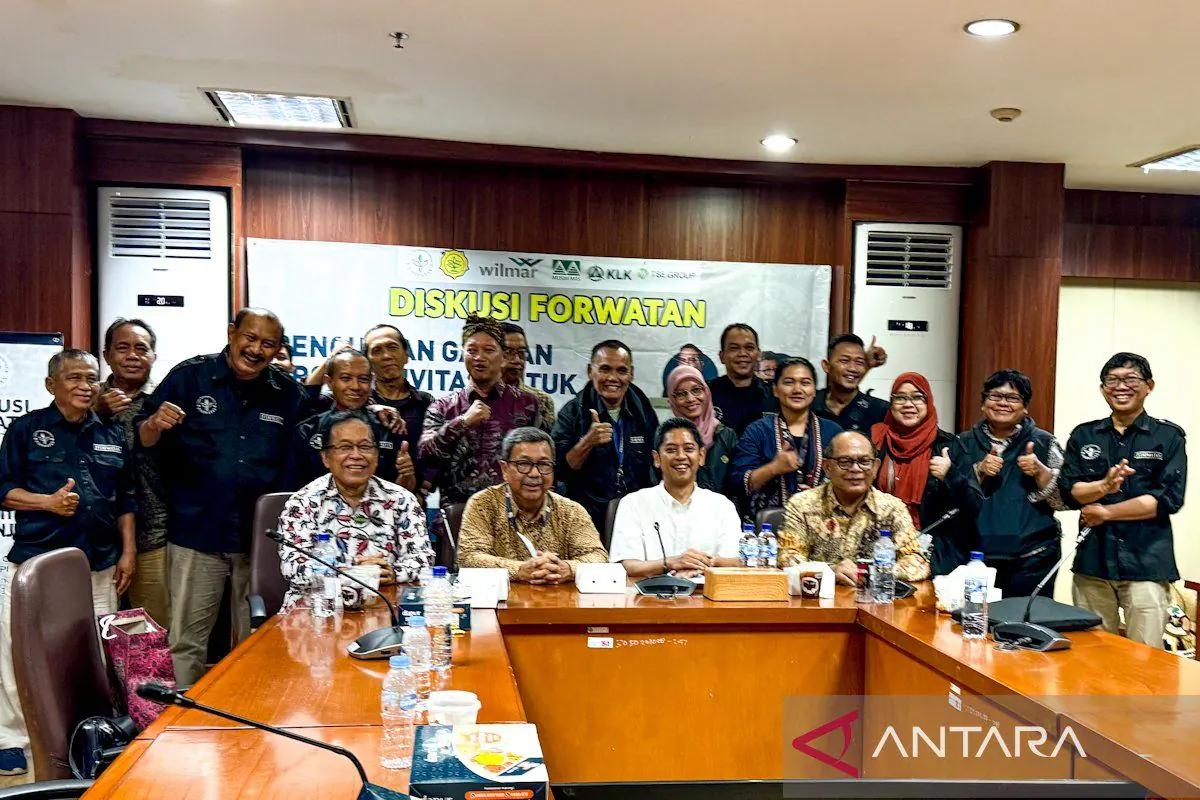
TVRI News also reported a separate meeting at the Istana Wakil Presiden, the Vice Presidential Palace, in Jakarta Pusat, or Central Jakarta, with Universitas Muhammadiyah Maluku, the Muhammadiyah University of Maluku. The agenda focused on accelerating technology and artificial intelligence literacy, including plans to empower university students and senior high school (SMA) students in Maluku. The activity came amid public attention to the resignation issue.
Eastern Indonesia education and digital literacy
Gibran's agenda touches on two major challenges for Indonesia: spreading basic education more evenly and preparing young people for technology. In an archipelago country, the eastern region is not only a matter of geographic distance. It also reflects disparities in access to schools, teachers, books, electricity and the internet. Children in remote areas often face different challenges from students in big cities, so national policies need to be translated into local practice. Those gaps can also affect learning motivation and parents' trust in schools.
The GASING method can be understood as a learning approach that stresses ease, enjoyment and closeness to children's own experience. Such an approach matters because reading and numeracy are the foundation for later subjects. Without that foundation, students will struggle to keep up with science, language and higher-level digital literacy.
Artificial intelligence, or AI, refers to the ability of computer systems to recognize patterns, generate text or images and support decision-making based on data. For regions still building human resources, AI literacy does not mean every school must immediately create advanced models. Early steps usually involve understanding ethics, data security, information verification and the use of tools that support learning and work. Simple introduction is more realistic than chasing technical terms without a foundation.
Local universities also have an important role. Campuses can bridge national policy, local needs and community partners. They can train teachers, support schools, develop learning content suited to local languages and cultures, and open space for students to apply their knowledge in their home regions. In such a model, education does not stop in the classroom but becomes an ecosystem involving government, universities, civil society organizations and the business sector. That way, innovation is not only a slogan but has clear beneficiaries.
What the public should watch
For readers in Indonesia, this agenda may not immediately affect prices or jobs. Yet basic education and AI literacy shape workforce competitiveness, the quality of public services and the ability of regions to absorb investment. If reading, numeracy and technology skills improve, young people outside Java will have better chances of accessing schooling, training or digital-based jobs.
The key issue is follow-up after the meetings. The public can wait for clarity on whether the plan to empower Maluku's youth includes targets, budgets, teacher mentoring and success indicators. For eastern regions, digital infrastructure readiness also matters: without stable electricity, affordable internet and adequate devices, AI training risks becoming ceremonial. Gibran's social media communication should therefore be read as a signal of his agenda, not proof of program results. Regular evaluation is important so programs do not drift toward areas that are easier to reach.
The resignation issue surrounding the posts also shows how the public now reads officials' activities through social media. Every agenda item can be interpreted as a political response, but more detailed official information is still needed to confirm the status of the position and the direction of policy. For citizens, what matters most is not only who appears on screen, but whether education and technology programs actually reach classrooms, campuses and workplaces.