Election watchdog Bawaslu strengthens talent management for appointments
Indonesia's General Elections Supervisory Agency (Bawaslu) is strengthening talent management for appointments at its secretariat-general, provincial and district/city offices, including updates to civil servant data.
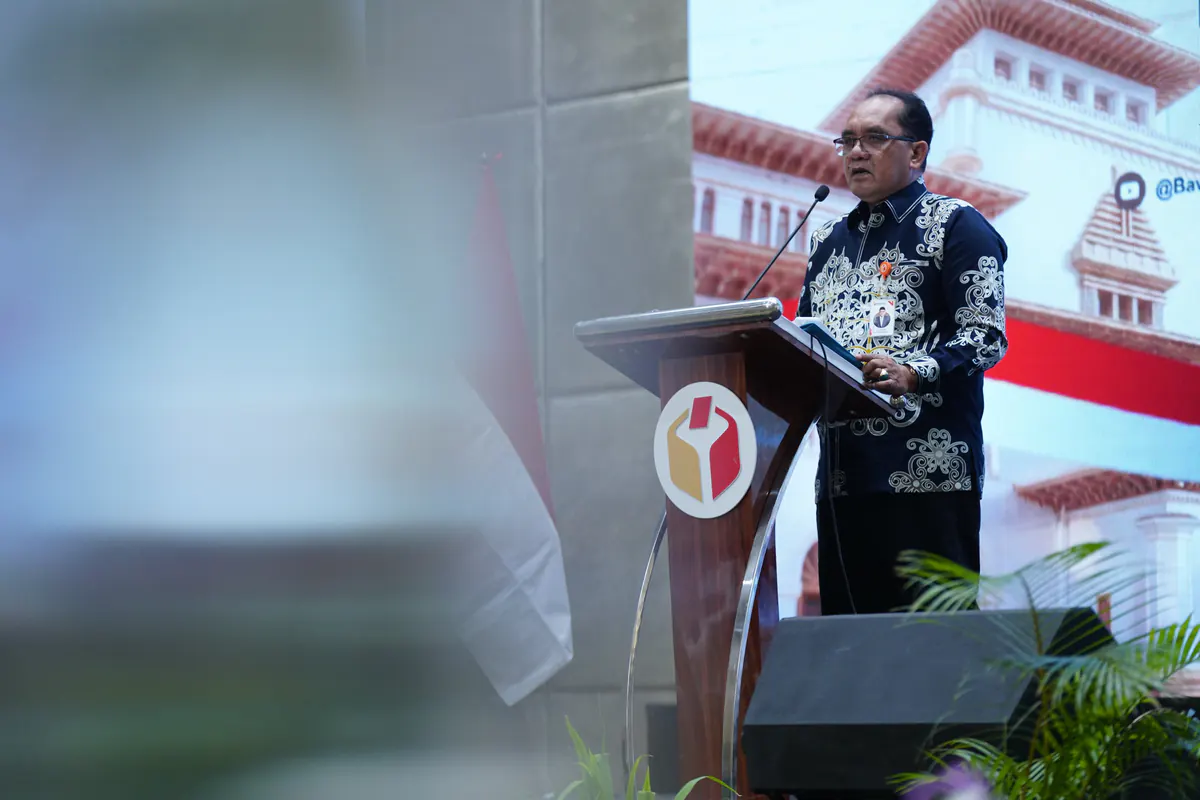
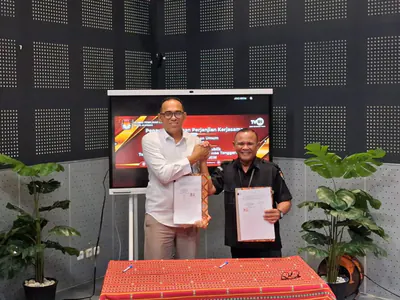
Indonesia's General Elections Supervisory Agency (Bawaslu) is strengthening the use of talent management as the reference for filling positions at its secretariat-general, Bawaslu provincial offices and Bawaslu district/city offices. The move was announced at a policy briefing and update of civil servant (ASN) data in Bandung on Thursday, 29 October 2026.
La Bayoni, Bawaslu's deputy for administration, said appointments at all levels would follow talent management mechanisms. He said appointment proposals already submitted before the policy took effect, but for which candidates had not yet been inaugurated, would also be adjusted.
According to Bawaslu, the designation of pilot regions was not a reward but a step to accelerate the filling of vacant positions. Appointments could still be made when organisational needs were urgent, taking into account leadership directives and rank requirements.
The Bandung event also discussed updating ASN data, verification and coordination among work units. La Bayoni said he hoped Bawaslu staff would prepare personnel needs for upcoming election phases.
The role of talent management at Bawaslu
In Indonesia's bureaucracy, talent management is a system for mapping, developing and placing staff based on competence, performance and position requirements. In the context of Indonesia's civil service (ASN), the policy is linked to efforts to implement a merit system, a human resources policy that assesses qualifications, competence and performance fairly and openly. The merit system is also a basis for bureaucratic reform so that promotions are not based solely on seniority or closeness.
For election supervisory institutions, human resources needs are not only about the number of staff but also integrity, understanding of regulations and technical experience. Bawaslu operates in a tiered structure, from the secretariat-general at the national level to regional secretariats in provinces and districts/cities. Filling positions appropriately helps maintain supervisory coordination, report handling and the implementation of duties during election phases. With trained staff, supervision can run more consistently, especially when phases are dense and disputes arise. Bawaslu was established as an independent institution that supervises election phases, so the professionalism of its staff is part of the institution's credibility.
Before the talent system was strengthened, appointments in government agencies generally went through open selection, competency tests or designations in line with civil service rules. Challenges often arose from vacancies caused by transfers, retirements or rapidly changing organisational needs. Updating personnel data therefore became important so that competence profiles and career histories could be read when positions had to be filled. Talent mapping can also help agencies prepare candidates to lead work units before positions actually become vacant. Accurate data also helps leaders see whether candidates meet position requirements, not only based on administrative experience.
Within Bawaslu, structural and functional ASN positions are also related to the working relationship between commissioners and the secretariat. Commissioners are ad hoc at several levels, while the secretariat is staffed by civil servants who provide administrative support. This separation of roles means appointments to secretariat positions need to consider rank requirements, track records and the ability to manage technical election support. The condition is relevant because general elections and local elections require responsive, neutral human resources support capable of safeguarding the confidentiality of information.
What it means for election oversight
For general readers, improving appointments at Bawaslu may seem an internal matter. But the institution is involved in overseeing voting, handling violations and resolving disputes over election processes. If secretariat positions are filled by competent staff, administrative support, documentation and coordination across regions can run more smoothly.
General elections and local elections involve many regions, so human resources capacity at district/city levels is decisive. Orderly appointments can reduce the risk of vacant roles, service delays or procedural errors in supervision. Vacant positions can also slow the preparation of reports and follow-up on findings. The impact may not be felt directly as prices or wages, but it touches public trust in election organisers.
Going forward, what needs attention is consistency in applying the rules. The public can check whether appointments are made openly, whether competence requirements are met and whether ASN data are updated periodically. For staff, the system provides a clearer career map, so competence development can be planned early. It can also curb transfer practices that are not clearly measured. Process transparency is also important so young staff do not feel careers are closed off by informal channels. With strong oversight, talent management can become a tool for improving performance, not merely an administrative procedure.
Related news
- Hanura strengthens structure down to village level in Papua ahead of the 2029 general election