Bawaslu RI says oversight and law enforcement determine quality of democracy
Bawaslu RI says the quality of democracy is determined by effective election oversight and law enforcement, including in digital spaces.
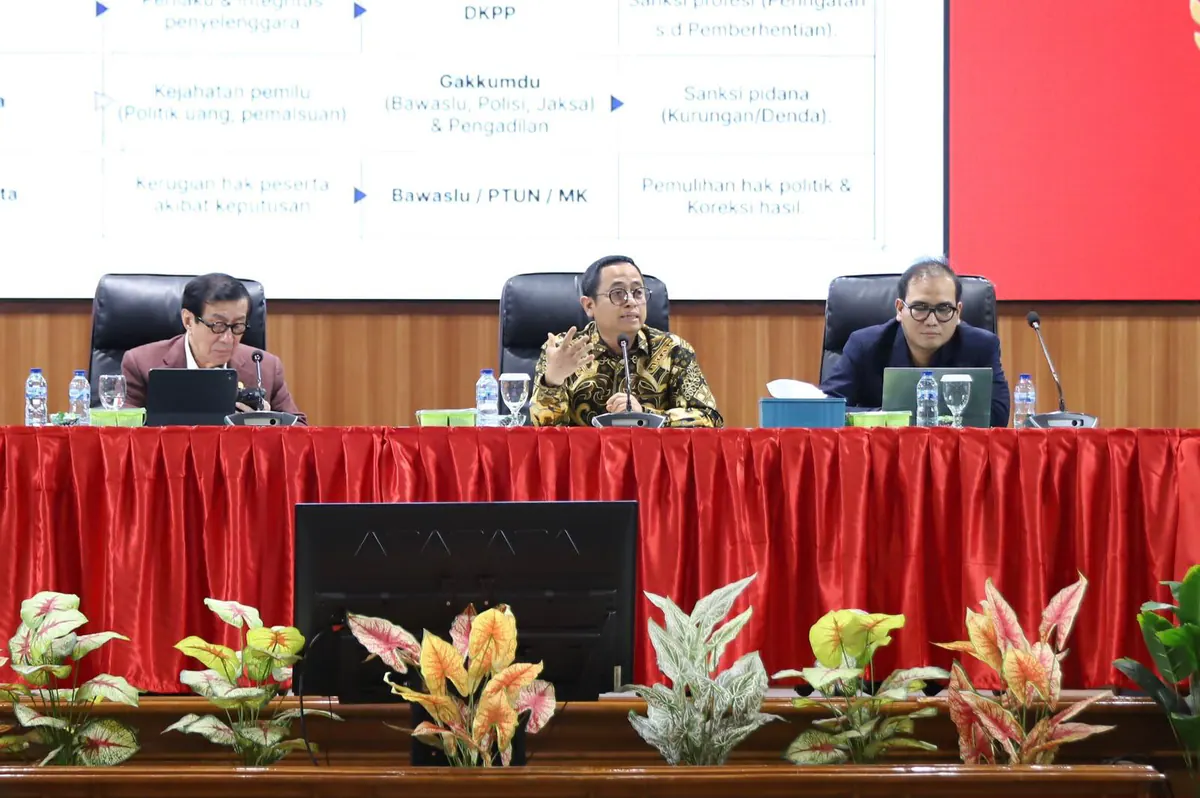
Puadi, a member of the national election watchdog Bawaslu RI (General Elections Supervisory Body), said the quality of democracy is determined not only by the conduct of voting and vote counting, but also by effective election oversight and law enforcement.
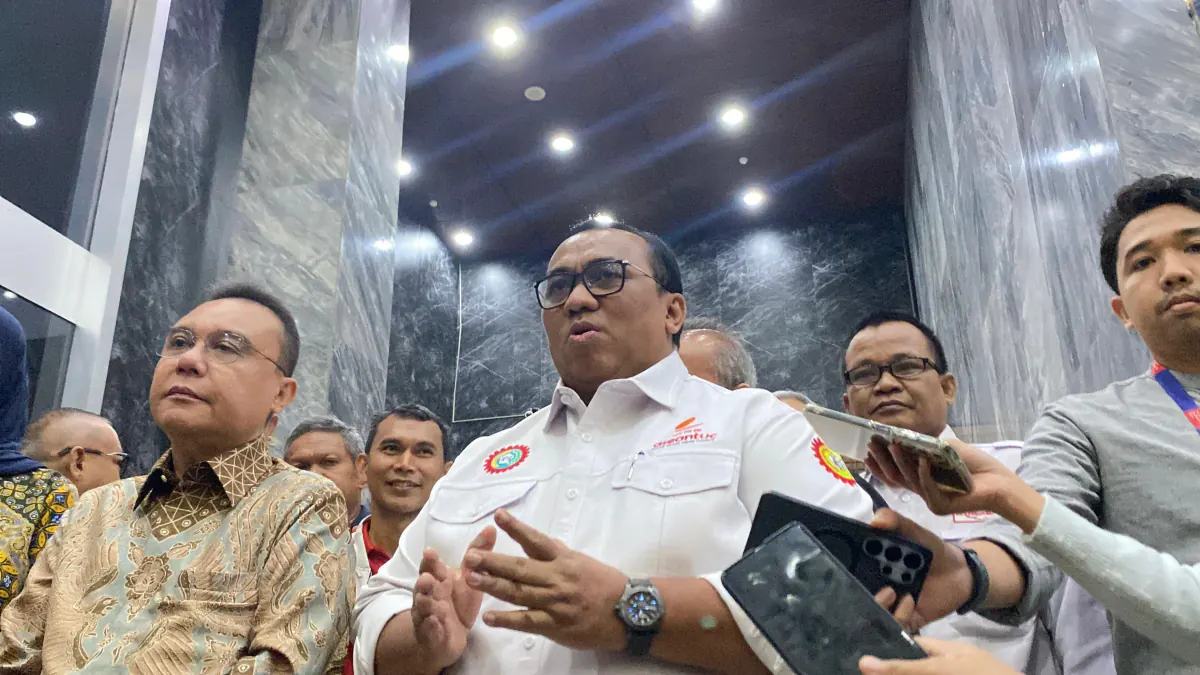
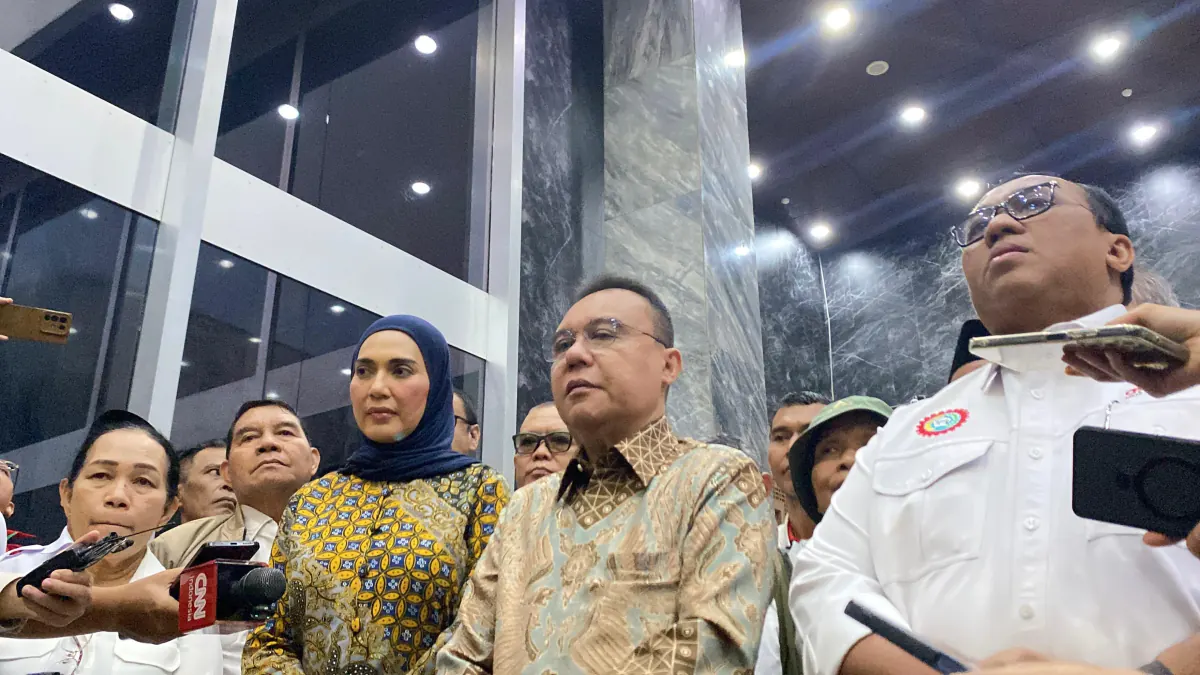
As reported by Bawaslu RI, Puadi made the remarks during an Aspirasi Masyarakat (Public Aspiration) event themed strengthening constitutional democracy and public participation in national and state life at Universitas Borobudur on Monday, 19 October 2026. He said election supervision must safeguard the validity of the people's sovereignty process, not merely check administrative compliance.
He said handling alleged violations requires professional examination of facts, evidence, legal elements and procedures. Supervision challenges include money politics aimed at influencing voters, failure to maintain the neutrality of state officials, use of state facilities and misleading information in digital spaces.
Puadi also said technological developments, including artificial intelligence, require supervisors to be able to trace electronic evidence and monitor information on digital platforms.
Role of supervisors in election stages
In Indonesia, election supervision is not a side job. Supervisory institutions are present to ensure every stage runs according to the rules, from updating voter data to campaigning, voting, counting and determining results. Because elections involve many actors, supervisors must be able to separate administrative issues, alleged ethics violations and election crimes. Money politics, for example, is not always cash in an envelope. It can appear as material assistance, promises of facilities, or distribution of goods designed to influence voters' choices. Failure to maintain state officials' neutrality can also take the form of covert support, using positions to mobilize crowds, or government programs being linked to election participants. Supervision therefore does not only wait for reports but also maps vulnerabilities in regions.
Another increasingly important issue is digital spaces. Social media accelerates the spread of hoaxes, defamation and information manipulation. Artificial intelligence makes fake content easier to produce, including convincing audio or image recordings. In such conditions, supervisors need to understand how to preserve, examine and assess electronic evidence. Without that capability, alleged violations can remain mere rumors, or people who may not be guilty can be judged by the public.
In election administration, roles are divided: KPU (General Elections Commission) as organizer, Bawaslu RI as supervisor, and DKPP (Election Organizers Honor Council) as guardian of organizers' ethics. This division means supervisors' findings do not automatically become verdicts but enter examination mechanisms according to authority. Inter-institution coordination therefore becomes key so handling does not overlap and no party is processed without a clear legal basis.
Clean elections also depend on clear categories of violations. Administrative violations usually lead to procedural corrections, warnings or sanction recommendations. Ethics violations concern the conduct of organizers, while election crimes concern acts punishable by law. If these three channels are mixed, the public can easily misunderstand and legal processes can be disrupted. Citizen participation is also part of supervision. The public can report alleged violations, but reports must be accompanied by data that can be examined. The presumption of innocence still applies: a person must not be called guilty before there is a process and a final and binding decision.
What voters should watch for
For Indonesian voters, this message is relevant because elections determine the direction of public policy, including education, health, infrastructure and social protection budgets. If supervision is weak, citizens who go to polling booths can still be harmed by practices that damage competition, such as false promises, pressure or money that appears only during the campaign period.
At the household level, voters need to get into the habit of verifying information before sharing political content. Check the source, date and context of images or videos. If they find alleged violations, report them with initial evidence, not with accusations that already conclude someone is at fault. This attitude helps keep digital spaces healthy and prevents stigma against candidates, organizers or citizens who have not been proven to have violated rules.
Ahead of the next election, the public also needs to monitor whether campaign rules, use of state facilities and handling of violations are implemented consistently. Effective supervision not only protects voting rights but also maintains public trust so elections do not become merely a five-year ritual. That is important for the stability of governments formed through elections. The availability of information also affects the quality of participation. When citizens know their reports can be followed up professionally, they are more willing to submit findings. Conversely, if supervision processes feel closed, the public tends to become apathetic and more likely to believe unverified narratives.
Related
Hanura strengthens structure down to village level in Papua ahead of the 2029 election