Two suspects named in alleged attack on residents in Tasikmalaya
Tasikmalaya Regency Police named two adults as suspects in an alleged attack on residents in Singaparna, while 16 students were released after a late-night motorbike convoy turned violent.
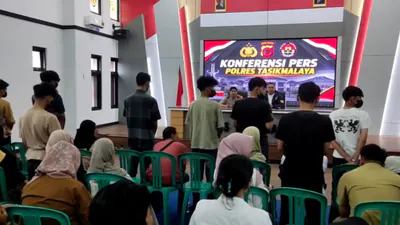
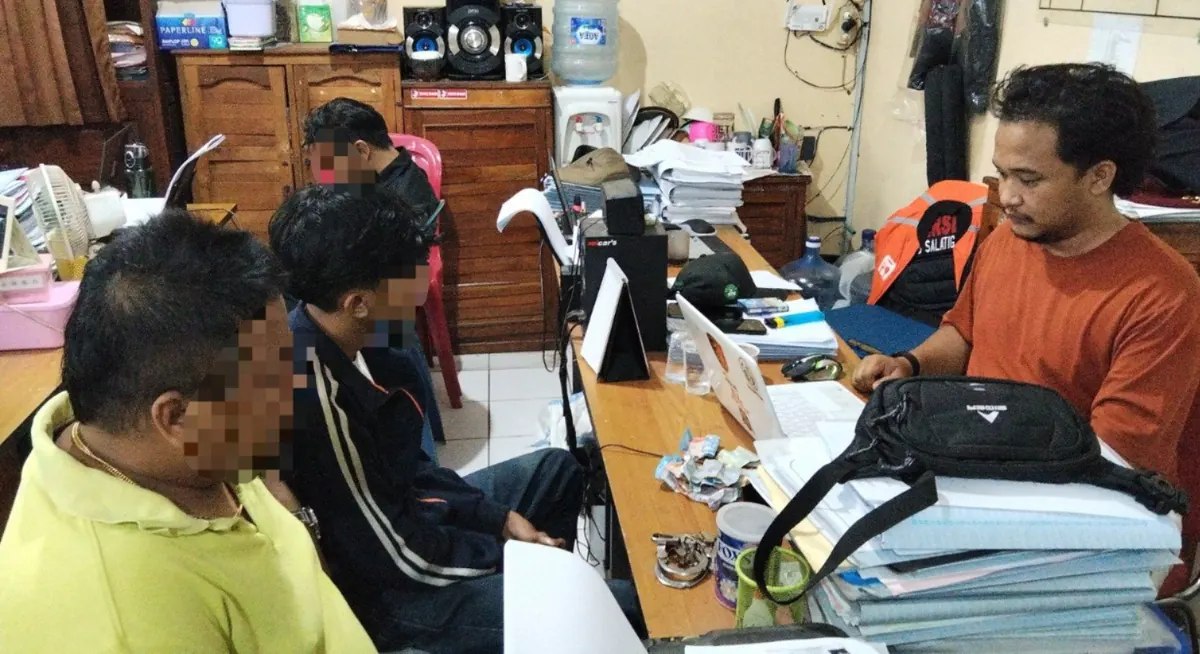
Tasikmalaya Regency Police (Polres Tasikmalaya) have named two adults, identified only by the initials R and A, as suspects in an alleged attack on residents in Singaparna, Tasikmalaya Regency, in the early hours of Sunday, 8 November 2026. Of 18 people detained, the other 16 were students and have been sent home.
According to TVRI News, the state broadcaster's news service, the incident began when a motorcycle convoy travelling from Singaparna toward Tasikmalaya City got into a dispute with residents on a neighborhood watch in Kampung Borolong. The disturbance escalated into an alleged assault on two residents, leaving one with a stab wound to the back and requiring treatment at KHZ Musthafa Regional Public Hospital (RSUD). A crowd burned two motorcycles belonging to the group.
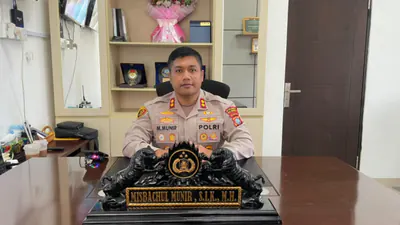
Suspects were named on Monday, 9 November 2026. Tasikmalaya Regency Police Chief Ade Papa Rihi, who holds the senior police rank of AKBP, said the 16 students were not directly involved despite being part of the convoy. They were released after questioning, guidance, and the summoning of their parents and schools.
Night watch and motorbike gang patterns
Night watch is part of a neighborhood security system common across many parts of Indonesia. Residents take turns guarding the village, checking visitors and reducing the risk of street crime during vulnerable hours. When a group of motorcyclists passes late at night, interaction with watch volunteers can escalate quickly, from a reprimand to a verbal argument and then a physical clash. The pattern often appears in convoy cases because large groups make the atmosphere easier to provoke, while participants' identities are not always clear to residents.
In some cities, the term motorbike gang describes groups that convoy, brawl or use motorcycles to carry out violence. Not every convoy falls into that category. Some groups simply gather, some pose a risk because they carry bladed weapons, and others get caught up because they joined the group without knowing of a violent plan. Separating roles therefore matters: who is alleged to have attacked, who merely joined the group, and who are still children. Bladed weapons increase the risk of serious injury and can turn a scuffle into a criminal case. In such situations, residents who witness violence should prioritize the safety of victims, call an ambulance and hand suspected participants over to police rather than take justice into their own hands.
For students, legal proceedings do not always end in detention. Indonesia has a juvenile criminal justice system that emphasizes diversion, guidance and the restoration of social relations, especially when a child has not been directly involved in violence. That approach also places responsibility on families and schools for supervision, support and preventing recurrence. Naming adult suspects, by contrast, shows that the state is processing the alleged violence through the criminal justice system, while preserving the presumption of innocence until a final and binding court ruling.
Handling cases like this also tests coordination between police, schools, parents and local government. Guidance for students cannot stop at joint statements; it needs follow-up supervision, alternative activities and counseling spaces so children are not repeatedly drawn back into the same risky environment.
What parents should watch for
For Indonesian readers, the case is a reminder that street violence can start from small triggers: a convoy, taunting, or a misunderstanding during a night watch. Parents need to know where their children are going, who they are with and when they will return, especially in the early hours. Schools also have a key role in detecting group invitations, not only punishing students after an incident. Night watch should be equipped with lighting, emergency numbers and protocols for moving injured people to safety so residents do not act alone.
The case also touches on residents' habits. A crowd burning vehicles may be understandable as an outburst of anger, but it risks creating a new legal problem and obscuring the evidence-gathering process. A safer response is to keep distance, help victims and call the police. For students, refusing an invitation to violence is a social skill that should be practiced, not treated as cowardice. Parents should also watch for changes in behavior, such as frequently coming home late, carrying items of unclear origin or avoiding communication.
Going forward, readers should watch whether the legal process is transparent and whether guidance for students is backed by real oversight. Cases like this carry social costs: victim care, family trauma and a damaged sense of security in the village. If prevention is weak, similar incidents can recur in other areas, especially when nighttime activity and convoys go unsupervised. Coordination between schools and police could serve as a model for other regions.
Related news
- IPSI East Java targets six gold medals at PON 2028 as two world champion pencak silat fighters return
- Heavy rain does not dampen Heroes' Day ceremony in Anambas
- Police raid Sebesi Island, find methamphetamine paraphernalia and plastic clip bags