Five Suspects in Bukit Barisan Selatan National Park Encroachment Case Handed to Kaur Prosecutors
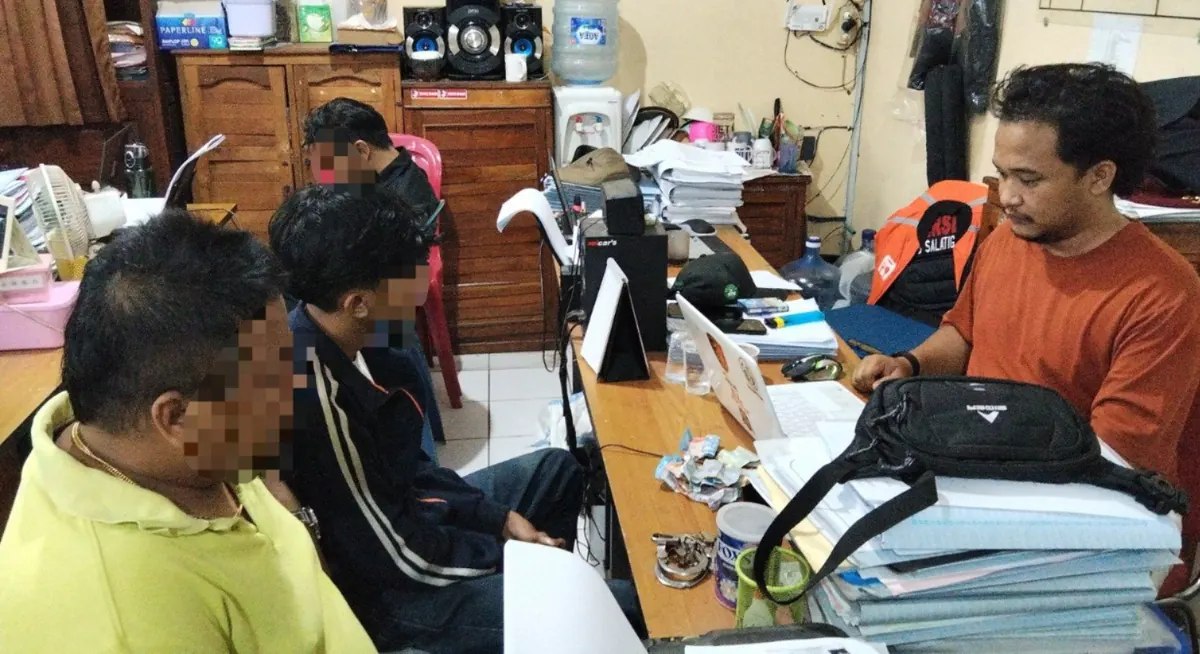
The Forestry Law Enforcement Agency's Sumatra regional office has handed over five suspects in a suspected 40-hectare encroachment case at Bukit Barisan Selatan National Park in Kaur Regency to the Kaur District Attorney's Office, according to TVRI News.
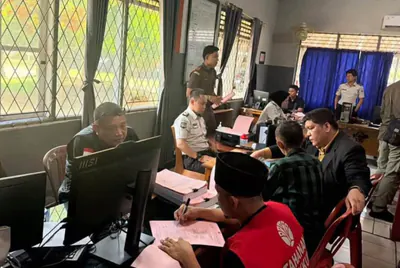
The Forestry Law Enforcement Agency's Sumatra regional office (Balai Penegakan Hukum Kehutanan Wilayah Sumatera) has handed over five suspects in a suspected 40-hectare forest encroachment case at Bukit Barisan Selatan National Park (TNBBS) in Kaur Regency to the Kaur District Attorney's Office (Kejaksaan Negeri Kaur).
According to TVRI News, the case file has been declared complete, or P-21, meaning the case is ready for trial. The five suspects, identified by the initials TS, UY, SF, HM and SL, have been detained.
Lucky Selvano Marigo, a public prosecutor from the Bengkulu Provincial Attorney's Office (Kejati Bengkulu), said the trial would be handled jointly by a team from the provincial office and the Kaur district prosecutors because the alleged crime took place in Kaur.
Prosecutors said they were open to the possibility that other parties were involved, based on statements from the suspects. The suspects are charged under the Forestry Law and the Criminal Code (KUHP).
Investigators seized items including a chainsaw, an air rifle, a homemade firearm and ammunition.
Conservation area and repeated encroachment threats
A national park is a state-managed conservation area intended to protect biodiversity, ecosystem systems and natural resources that cannot be freely exploited. National parks usually contain core zones, utilization zones and other zones that regulate whether human activity is permitted. The core zone is the most strictly protected area because it is reserved for natural preservation and research, not land clearing. Areas such as TNBBS have ecological value because they are home to many species and help regulate regional water systems.
Encroachment into conservation forests remains a recurring problem in many parts of Indonesia. It can arise from demand for agricultural land, plantations or timber, while field supervision often faces limits in personnel, distance and access. When encroachment occurs in protected areas, the impact goes beyond forest cover loss; it can also disturb wildlife habitats, water flows and the ecological balance that supports communities around the area.
In forestry law enforcement, investigations may be conducted by officials with authority under prevailing regulations, after which the case file is transferred to public prosecutors for proceedings in court. The term P-21 indicates that prosecutors have declared the file complete, so the next stage is prosecution. The naming of suspects, detention and transfer are part of legal proceedings that remain subject to the presumption of innocence. That authority also requires coordination among forestry investigators, prosecutors and courts so that case files are not repeatedly declared incomplete.
Cases in conservation areas also show that law enforcement does not stop at physical action in the field. Evidence seized by investigators can provide clues about patterns of illegal activity, including possible networks or parties that assisted the operation. As a result, trials often become a space to test suspect statements, evidence and the possible involvement of other parties who have not yet been named as suspects, and to form the basis for prosecutors' charges.
Impact on communities around the forest
For readers in Indonesia, the case is relevant because conservation areas function as environmental buffers that affect daily life. Damaged forests can increase the risk of flooding, landslides, drought and disruption of water sources for residents around the area. The loss of wildlife habitat can also trigger human-wildlife conflict when animals leave their ranges.
Law enforcement pursued through the courts also sends a message to the public that opening land in conservation areas cannot be resolved with administrative sanctions alone. For residents who depend on forest products or farmland, the case underscores the need to understand an area's legal status before carrying out activities. Regional governments, forestry authorities and indigenous or local communities need to take part in prevention so conflicts do not recur. Education about area boundaries, utilization permits and criminal penalties needs to be communicated in simple terms so communities are not drawn in by parties who encourage such activities.
Direct economic impacts on prices or employment in Kaur cannot yet be confirmed from the reporting. However, the cost of ecosystem recovery, long-term supervision and potential environmental losses are usually greater than the short-term gains from land clearing. Readers therefore need to watch whether the trial reveals other parties, how seized assets are used, and what steps will be taken to rehabilitate the area after a final and binding court decision. Those steps are important for assessing whether enforcement truly creates a deterrent effect.