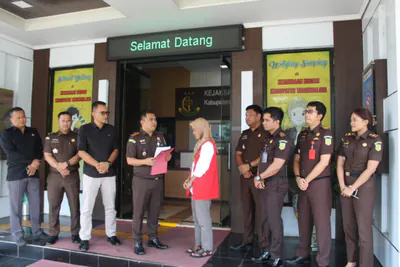
74-Year-Old Man in Pati Named Suspect in Assault That Killed Wife
Police named H.Y., 74, as a suspect in the fatal axe assault of his wife in Pati, citing jealousy and an alleged affair.
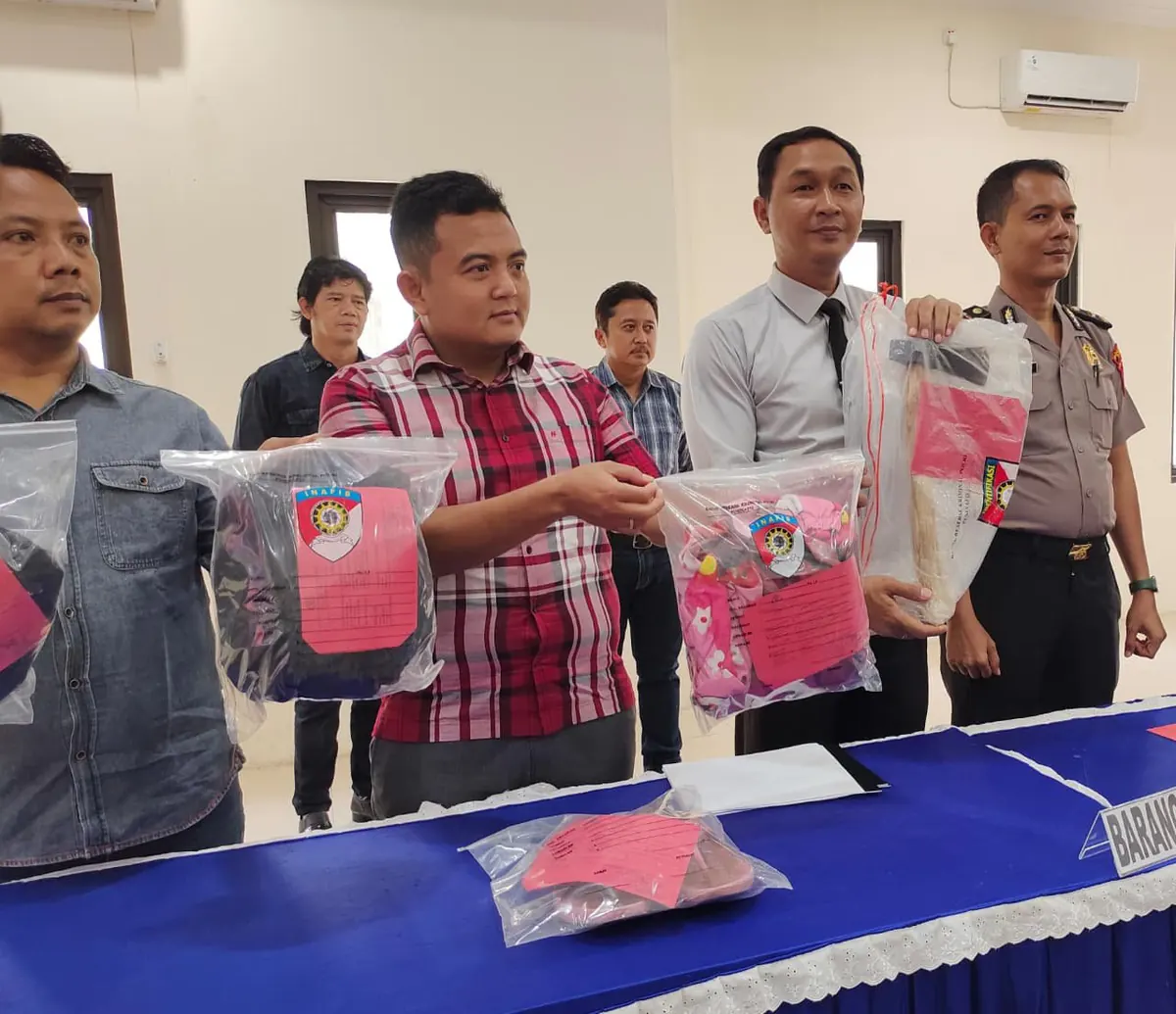
H.Y., 74, has been named a suspect in an assault that killed his wife, J.C., 70, in Sugihrejo village in Gabus subdistrict of Pati regency on Saturday, 7 November, according to the Jateng Pos newspaper.
Investigators from the Criminal Investigation Unit of the Pati Police Resort (Satreskrim Polresta Pati) identified the motive after questioning H.Y. The suspect said he was angry because the victim did not attend a religious study session for a hajj group, which led him to suspect she had become close to another man.
The incident occurred at about 15:15 WIB (Western Indonesia Time) at the couple's home. After returning from the religious gathering, the suspect found the victim in their bedroom. An argument prompted him to take an axe from a wardrobe and swing it at the victim's neck.
The first witness saw the suspect leave the bedroom carrying the axe, seized it, and then sought help. When the witness returned, the victim had died. Police seized a 50-centimetre axe, sandals and a bedsheet. H.Y. has been charged under Article 44(3) of the Law on the Elimination of Domestic Violence (UU PKDRT), which carries a maximum sentence of 15 years in prison or a fine of Rp45 million.
Domestic violence under Indonesian law
The case falls within domestic violence because the couple were married. Law No. 23 of 2004 on the Elimination of Domestic Violence criminalises physical, psychological and sexual violence, as well as household neglect. Under the law, physical violence causing death carries heavier penalties than violence causing only injury. The law was enacted to narrow the space for impunity within households, because violence that goes unchecked often recurs and escalates. It also provides a basis for victims to seek protection, including when the threat comes from a spouse who is closest to them economically and socially.
Law enforcement in cases like this usually relies on witness statements, medical examination or autopsy results, and evidence found at the scene. An autopsy helps forensic doctors determine wounds, the direction of blows and the cause of death, allowing investigators to compare the suspect's account with medical findings. In that context, the term synchronised in an investigation means that the suspect's statement, witness accounts and physical findings support one another. The testimony of the first person to see the incident is also important because it can explain the victim's position, the direction of the wounds and whether the suspect was still holding the weapon. Evidence must be handled with a secure chain of custody so that examination results can still be used in court.
Using initials for victims' and suspects' names is common practice in reporting family cases. The aim is to protect identities, especially when the incident occurs in private spaces and involves people who know one another. However, media must still describe legal status accurately: a suspect is someone alleged to have committed a crime, not a person proven guilty.
Cases involving older people also draw attention to vulnerability within households. Advanced age does not automatically enable a person to ask for help, particularly when violence happens quickly inside a home. In the Indonesian context, referral services, close relatives and village authorities are often the first points of contact before a report reaches the police.
First steps when violence occurs
For readers, the case highlights that domestic violence is not a private matter that should be left alone. Suspected jealousy, arguments or accusations of infidelity do not justify the use of a sharp weapon. When warning signs appear, the safest steps are to move away from the perpetrator, seek witnesses, and contact village authorities, police or emergency services. The public needs to understand that silence can prolong the risk. Neighbours or relatives can serve as early witnesses who help.
From a health perspective, victims of domestic violence risk physical injuries, anxiety disorders and prolonged trauma. Families with older members need to be more attentive because limited physical strength, dependence on a spouse and fear of loss can keep victims silent. Medical checks and psychological support should not be delayed after an incident. Victims can also preserve evidence of injuries, records of threats or messages that show a pattern of violence before a fatal event.
For authorities and the public, the case is a reminder that evidence, witness statements and medical examinations must be managed quickly so legal proceedings can proceed. In local areas, cooperation between police stations, community health centres, village governments and women protection units can determine whether victims receive timely help. Without clear referrals, victims may lose the chance to obtain legal protection, health recovery and social recovery.
Related news
- Heavy rain does not dampen Heroes' Day ceremony in Anambas
- Police raid Sebesi Island, find meth paraphernalia and clip bags
- The East Java Regional Police (Polda Jatim) deploys 3,000 personnel to secure demonstrations in Surabaya