Police arrest eight suspects over alleged recruitment of Indonesians for Russian army
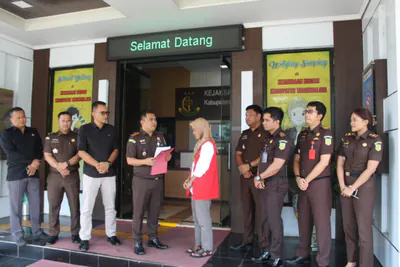
Police arrested eight suspects in Jakarta in an alleged scheme to recruit Indonesian citizens for the Russian army with promises of salaries in the tens of millions of rupiah.
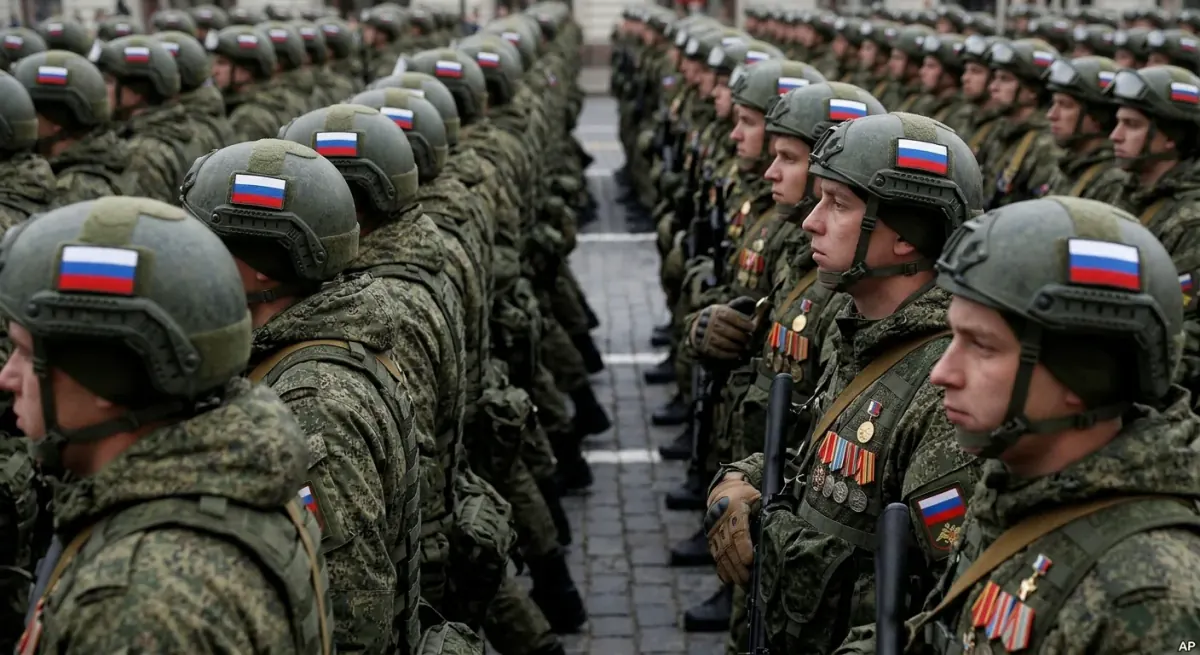
Eight suspects were arrested by police in Jakarta in an alleged scheme to recruit Indonesian citizens (WNI) as soldiers for the Russian army through job offers, according to a report by Radio Republik Indonesia (RRI), the state-owned radio network, on Saturday, 14 November 2026. Victims were promised contracts of up to Rp400 million (about US$25,000), monthly salaries of Rp40 million to Rp50 million (about US$2,500 to US$3,100) and bonuses.
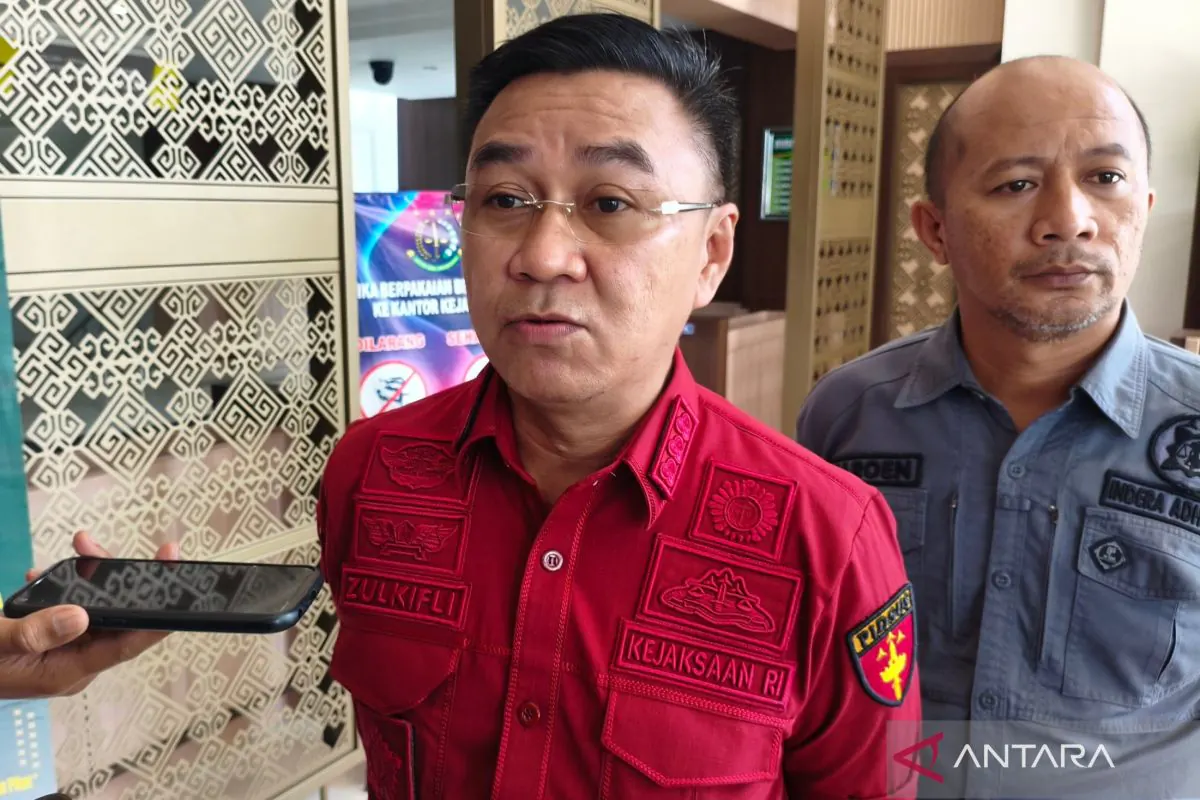
Kapolres Metro Jakarta Barat Kombes Pol. Nasriadi, a senior police commissioner and head of West Jakarta Metropolitan Police, said the case began with reports from families who lost contact after the victims reportedly left to look for work. Investigators found that a number of Indonesian citizens were allegedly sent to the Russian military, placed on the front line and had their communications restricted. Families also reported that victims had died, gone missing or been seriously injured, including one person who lost a leg to a mine.
The job-offer ruse into war zones
Job offers abroad often become a gateway to exploitation when the lure of high wages obscures the real risks. In human trafficking, recruiters frequently promise high pay, bonuses or long-term contracts without explaining the actual working conditions. When the offer leads to another country's military, the hidden risk is not only delayed wages but the danger to life in a conflict zone. Prospective workers therefore need to check the legality of recruiters, the validity of visas and the reputation of companies before handing over documents or signing legally binding written agreements that carry real risk.
Human trafficking is generally characterized by deception, coercion or the abuse of vulnerability to exploit victims. Indonesia has a legal framework for protecting migrant workers and combating trafficking that emphasizes permits, clear employment contracts and the responsibilities of the state and placement companies. When a job offer turns into sending people to another country's military, the problem goes beyond ordinary labour violations because it concerns lives in a war zone.
Legally placed migrant workers normally have communication channels, documents and complaint mechanisms. In abusive practices, victims can be isolated, have their documents withheld or be denied access to information. Such conditions make it harder for families to monitor the victims' situation, prolong dependence on recruiters and make repatriation uncertain.
Conflict zones carry risks that are not comparable with ordinary work. Citizens on the front line can be exposed to weapons, mines and armed violence. International humanitarian law protects civilians from attack, but involvement in military operations can place a person in dangerous and legally complicated situations, including if they are captured, wounded or become part of a belligerent side. In addition, citizens recruited as foreign soldiers may face legal questions in their home country and in the destination country, especially if the recruitment process involves fraud or the misuse of travel documents. This makes repatriation, recovery and support for families more complex.
What prospective migrant workers should watch out for
For readers in Indonesia, the case is a warning that high-paying job offers do not always mean safe work. Families need to make sure placements are made through official channels, read employment contracts before departure and do not hand over immigration documents to unclear parties. If an offer promises a large salary, bonuses or a long-term contract without details on duties, location, employer and safety protections, vigilance should increase.
The practical impact also touches household finances and psychological well-being. Families who lose contact with a member working abroad often bear search costs, emotional pressure and uncertainty over the victim's legal status. In cases involving armed conflict, the risk that victims will die, become disabled or be difficult to repatriate is far greater than in ordinary migrant worker abuse cases.
The case shows the importance of prevention at the source: public education about recruitment tactics, tracing departure routes and coordination among law enforcement agencies, migrant worker protection bodies and Indonesian representatives abroad. Without strong oversight, job promises can quickly turn into traps that victimize citizens. Strengthening vacancy verification systems, inter-agency cooperation and data collection on prospective migrant workers can reduce opportunities for illegal recruiters to operate. Without that, families remain the first to bear uncertainty when contact is cut off and salary promises turn into injury or loss.
Related news
- Prabowo calls for food inflation to be kept under control as farmers enjoy prices
- Indonesia accelerates methane emission cuts in waste, agriculture and energy sectors
- Indonesia and the United States repatriate remains of World War II soldiers at Halim