Polda Riau detains three suspects in 10-kilogram methamphetamine case
Polda Riau, the Riau Regional Police, detained three suspects in a methamphetamine case involving about 10 kilograms believed to have come from Malaysia, TVRI News reported.
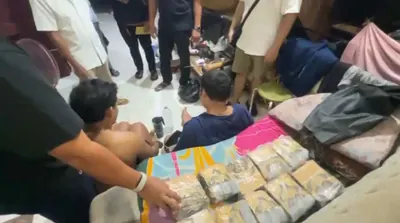
Polda Riau's Narcotics Criminal Investigation Directorate (Direktorat Reserse Narkoba) has detained three suspects in a case involving the distribution of about 10 kilograms of methamphetamine believed to have come from Malaysia, as reported by TVRI News.
The case began with a resident report about suspected narcotics storage at a house on Jalan Merak Sebelas in Perhentian Marpoyan ward, Marpoyan Damai district, Pekanbaru city. A team from the Second Sub-Directorate, led by Police Commissioner Bagus Faria, searched the location and found 10 large packages of methamphetamine. Two people were detained, including suspect R.
Initial questioning indicated that R obtained the drugs from S. Police arrested S on Jalan Jaya Purna in Ulu Pulau village, Bantan district, Bengkalis Regency. Bagus said the investigation was still developing to trace an overseas supplier and a wider network.
Pattern of methamphetamine busts in Riau
Riau is often an entry point for transnational narcotics because it faces Malaysia and has many sea routes and unofficial landing points. Trafficking networks usually rely on local couriers, temporary storage in houses, and transactions at locations easily reached by vehicles. This pattern means busts often start with resident reports rather than standalone large operations. Information about vehicles, people coming and going from a house, or chemical odors can open an investigation.
Methamphetamine is a strong stimulant that can easily cause addiction. In enforcement practice, police usually distinguish the roles of users, couriers, storage holders and traffickers. The weight of seized drugs also indicates the scale of a network. Dozens of kilograms are generally not distributed by one person, but through a chain involving suppliers, transporters and receivers. An arrest at the first location is therefore only the beginning of an investigation.
Riau's coastal areas, including Bengkalis, are frequently mentioned in smuggling cases because sea routes to Dumai, Pekanbaru and other cities are relatively short. But arresting a suspect in one area does not automatically prove that all entry routes have been cut off. Investigators must trace communications, money flows, the identities of recipients and possible coordination from abroad. Cooperation with Customs, immigration authorities and law enforcement in neighbouring countries is also important, although details can only be learned as the investigation develops. In many cases, CCTV footage, phone numbers, transaction data and vehicle descriptions are clues used to unravel longer chains.
Another aspect to watch is the legal status of the suspects. Until a court issues a final and binding ruling, they must be presumed innocent. Police statements and early confessions are only part of the investigation process. The public can follow developments through official information from Polda Riau, the National Narcotics Agency (BNN) or the courts, rather than conclusions circulating on social media. Transparent law enforcement also helps the public distinguish investigative facts from speculation.
What residents in Riau should watch for
For residents of Pekanbaru and Riau's coastal areas, this case is a reminder that narcotics are not only a law enforcement issue, but also a matter for families, public health and neighbourhood security. Rented houses or easily accessible businesses can become temporary storage sites without their owners immediately realising. Fast resident reports can prevent evidence from being moved to another location.
The practical effect is a need for everyday vigilance: parents should monitor their children's associations, suspicious activity in boarding houses and behavioural changes that may point to addiction. The public should also avoid stigmatising people who have not been proven guilty and should not take the law into their own hands when they suspect drug storage. Reporting information to police or BNN is safer than carrying out a raid independently. A neighbourhood that does not quickly accept accusations without evidence also helps legal proceedings remain fair.
Going forward, readers can watch whether the investigation leads to new suspects, whether there are allegations of official involvement, and how the entry route from Malaysia is uncovered. Those developments will determine whether this arrest truly breaks a network or merely detains the lowest link in methamphetamine distribution. The public should also wait for official information about the evidence, the legal articles used and the prosecution stage. Prevention activities in schools and public spaces can strengthen residents' resilience against the quick-money transactions offered by drug networks.
Related news
- East Java Regional Police (Polda Jatim) deploys 3,000 personnel to safeguard public expression in Surabaya
- Police raid Pulau Sebesi, find methamphetamine smoking devices and ziplock plastic bags
- Heavy rain does not dampen the Hari Pahlawan, or Heroes' Day, ceremony in Anambas