Metro Jaya Police Investigators Visit Firli Bahuri After Two Missed Questioning Sessions
Metro Jaya Police investigators visited former Corruption Eradication Commission chief Firli Bahuri after he missed two questioning sessions in an alleged extortion case involving Syahrul Yasin Limpo; police said no arrest was made.

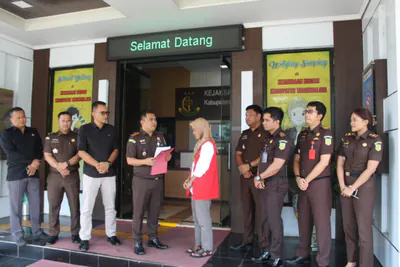
Metro Jaya Police investigators visited Firli Bahuri, the former chairman of the Corruption Eradication Commission (KPK), at a badminton hall after he missed two questioning sessions in an alleged extortion case involving former Agriculture Minister Syahrul Yasin Limpo, according to a report by TVRI News on Thursday, 12 November 2026.
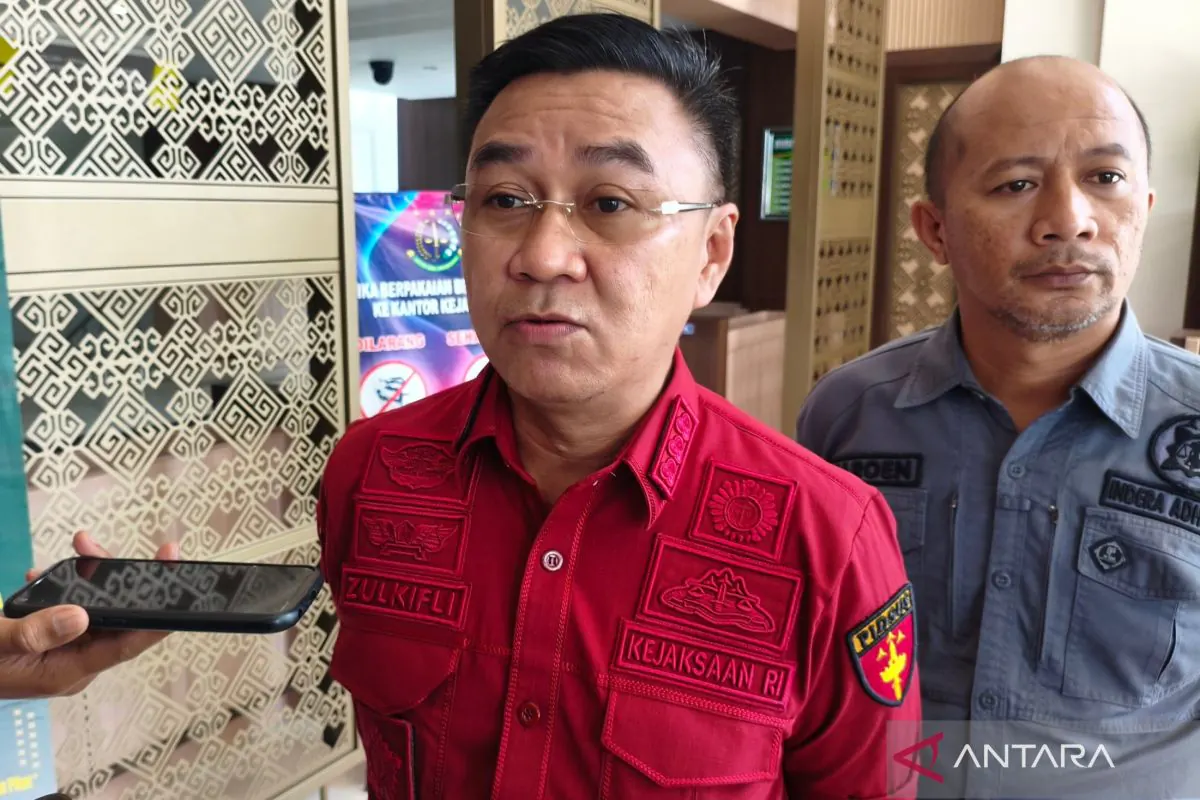
Police Commissioner Budi Hermanto, head of the Metro Jaya Police Public Relations Division, confirmed that no arrest or detention took place during the investigators’ visit.
“No one was detained,” Budi said.
He gave the statement to reporters on Thursday, 12 November 2026.
Budi explained that the visit by the Directorate of Special Criminal Investigation, known as Ditreskrimsus, was a follow-up to two summonses for questioning that Firli did not attend in the case involving Syahrul, also known as SYL.
According to TVRI News, Firli said he would attend the next questioning session, which investigators would schedule soon.
Firli was named a suspect in 2023, while serving as KPK chairman, in the alleged extortion case against Syahrul Yasin Limpo, but he has not been detained.
Differences Between Questioning, Arrest and Detention
In criminal cases, a person’s presence before investigators does not always mean they have been arrested. Questioning is the process of obtaining statements, while arrest is a coercive measure to temporarily detain a person suspected of a crime. Detention is a heavier measure because it is carried out after investigators or prosecutors assess objective and subjective requirements for detention. The statement that investigators visited a location without making an arrest should therefore be read as a distinction between follow-up to a summons and a coercive action.
The status of suspect also needs to be understood carefully. A suspect is a person who, because of their acts or circumstances, can reasonably be suspected as the perpetrator based on at least two pieces of evidence. This status does not declare the person guilty. It is a final and binding court ruling that determines guilt. In reporting, the word “alleged” must be used until a final verdict, in line with the presumption of innocence. A suspect is also entitled to legal counsel during questioning unless there are special provisions in certain processes.
Another stage that often appears in corruption cases is the case file sent by investigators to prosecutors reviewing the file. If prosecutors find the file incomplete, it can be returned for completion; the technical term often used is P-19. After the file is completed and declared complete, it can be transferred to court. The term BAP, or examination report, refers to the record of statements from witnesses, suspects, or other parties during the investigation. The public therefore needs to wait for certainty on whether the file has been declared complete, known as P-21, or is still P-19.
In alleged extortion or gratification cases, investigators usually look for evidence of money flows, communication, and connection to official position. However, this general explanation does not mean all elements have been fulfilled in a particular case. Readers need to distinguish facts already stated by authorities, allegations still under investigation, and legal conclusions that only a court can make. Thus, absence from a summons can trigger follow-up steps, but those steps are not always an arrest. Investigators can also compel a summons if there is a legal basis, but a compulsory summons remains different from an arrest.
Impact on the Public and Legal Process
For Indonesian readers, this event is closer to governance and public trust than to a direct impact on prices, jobs, or health. A case involving the former head of an anti-corruption agency and a former minister makes the public pay attention to whether the legal process is equal for officials. That attention, however, should be directed to official stages: summons, questioning, file completeness, and trial, not to conclusions that have not been tested in court.
The practical relevance is the habit of reading legal news. The public needs to look at the status of the person being reported: witness, suspect, defendant, or convicted person. These differences determine the person’s rights and how media use the information. When investigators visit someone after a summons is not fulfilled, readers can wait for information on whether the person attended, was detained, or had the file transferred. Without that information, the news stops at allegations.
This case also touches the oversight function over the anti-corruption agency. If the process runs transparently, the public can assess that accountability is directed not only at the person being investigated but also at the institution once led by that person. Conversely, if information appears only from statements by authorities without an explanation of the stages, readers need to be critical of the sources and dates of the statements. Cases like this can also become material for state institutions to evaluate how they keep distance from conflict of interest. If the process drags on, public trust in law enforcement can erode, regardless of the final outcome of the case.