Indonesian traffic police launch Zebra operation ahead of Christmas and New Year 2026
The Indonesian National Police Traffic Corps will hold the Zebra operation from 16 to 29 November 2026 to improve road safety ahead of Christmas and New Year.
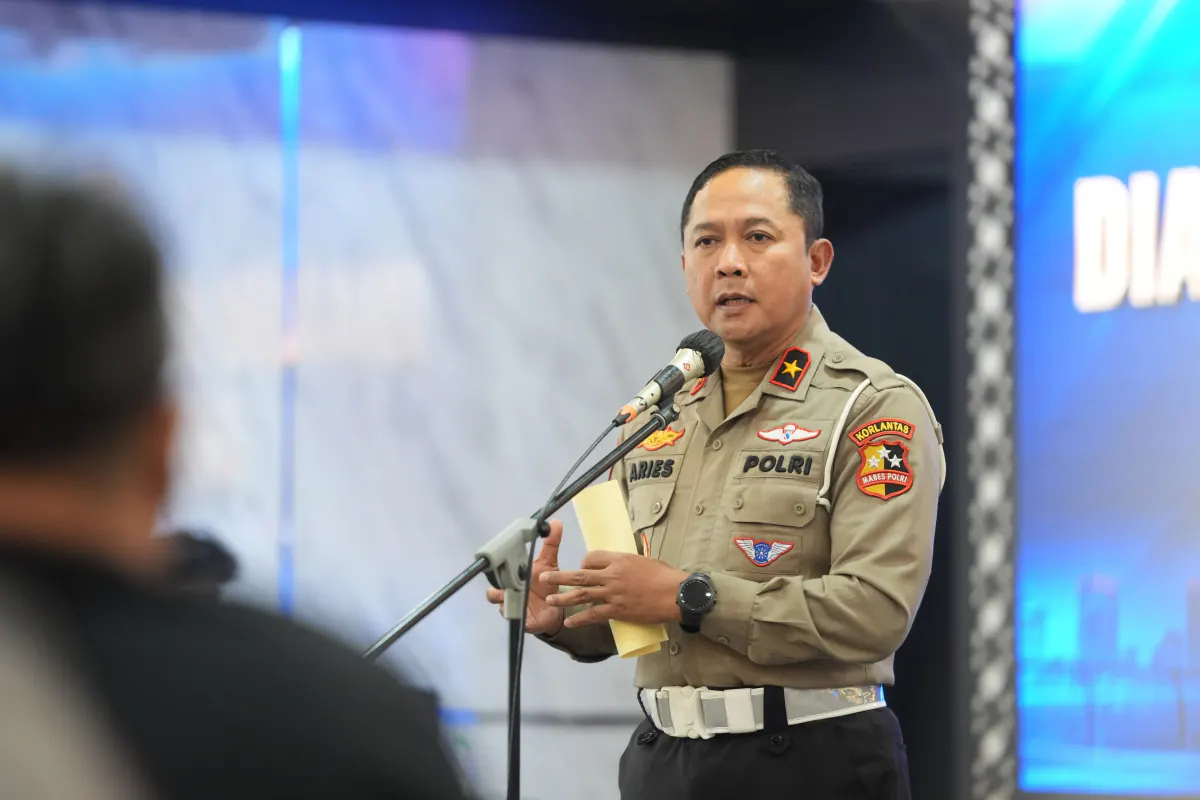
The Indonesian National Police Traffic Corps (Korlantas Polri) will hold the Zebra operation from 16 to 29 November 2026 to improve road safety ahead of Christmas and New Year (Nataru). According to a report by Radio Republik Indonesia (RRI), the operation is the initial stage of preparing to secure public mobility during the year-end holiday period.
Korlantas chief Brigadier General of Police Aries Syahbudin said the main focus was not only to enforce traffic violations, but also to prepare drivers' readiness, vehicle roadworthiness, road conditions and the safety of destinations. He said the movement of people and goods during the Christmas period differed from the Eid al-Fitr homecoming rush because it tended to head toward eastern regions and involved sea and air transport. Police will also inspect public transport together with the Transportation Ministry, including ramp checks, drug tests and drivers' health checks. The RRI report added that mapping exhaust systems not meeting technical specifications and illegal racing venues had been prepared as part of enforcement. Police are also anticipating tourism activity and potential extreme weather in December, while measuring success by the safety of people, vehicles, roads and destinations.
Zebra operation as traffic condition shaping
The Zebra operation is generally understood as a traffic operation held before a long holiday period. Its purpose is not simply to pursue violations, but to form safer driving habits when the number of vehicles, travellers and tourists rises. In police terminology, work of this kind is related to cipta kondisi, or creating conditions, to maintain the security, safety, order and smoothness of traffic. In other words, the operation works upstream of risk, not only on the road.
The position of the Zebra operation can be compared with other operations more familiar to the public. Operation Ketupat is usually associated with Eid al-Fitr security, while Operation Nataru targets year-end movement. Therefore, the Zebra operation can be seen as a preparation stage: improving driver behaviour, reducing the use of vehicles that are not roadworthy and preparing routes before travel flows truly peak. If this stage is weak, the next security operations will work under pressure from larger vehicle volumes.
Some terms in Korlantas' plan need to be understood by readers. A ramp check is an examination of vehicle roadworthiness, from brakes, tyres and lights to basic protective equipment. Driver checks cover physical and psychological condition, because fatigue, high blood pressure or the influence of prohibited substances can reduce alertness. Meanwhile, exhaust systems not meeting technical specifications are not only about noise, but also an indicator of vehicles modified outside regulations and potentially used for illegal racing.
Preemptive and preventive approaches are also relevant here. Preemptive means building awareness through education and services, for example making it easier for the public to process driving licences. Preventive means reducing risk through patrols, traffic management and the orderly handling of vulnerable points. Law enforcement remains part of the operation, but is not the only measure of success, because an effective safety operation is measured by fewer accidents and greater driving discipline. In December, many regions of Indonesia enter the rainy season, so waterlogging, landslides and short sight distances add risk to travel.
Impact on year-end travel
For the public, the Zebra operation means year-end holiday journeys will be supervised more strictly before the peak traffic flow. Private vehicle users need to ensure their vehicle documents remain valid, helmets and seat belts are used, and their cars or motorcycles are roadworthy. For public transport users, ramp checks and driver tests may make departures slightly longer, but provide assurance that the bus, shared minibus or ship used has passed basic safety checks.
For tourism operators and local governments, the operation encourages the arrangement of crowded destinations that do not yet have adequate safety facilities. Signs, lighting, road barriers and evacuation routes need attention, especially in rainy weather. For residents in areas prone to illegal racing, supervision of noisy exhausts and modified vehicles can reduce accident risk, but also requires safe alternative routes for riding activity.
It should be noted that the operation's success is not only visible in the number of traffic tickets issued. The public benefits more if the operation is accompanied by education, driving licence services and infrastructure improvements. Readers are therefore advised to follow official information from Korlantas Polri and local police, check service schedules and plan routes before departing. That readiness matters because surges in vehicles and tourists mean small accidents can have a large impact on travel flows.