Indonesia's Election Watchdog Reorganizes Regional Secretariat Posts Ahead of Polls
Indonesia's General Elections Supervisory Agency (Bawaslu) has begun reorganizing appointments to regional secretariat posts through talent management, with a pilot in Sumatera Utara.
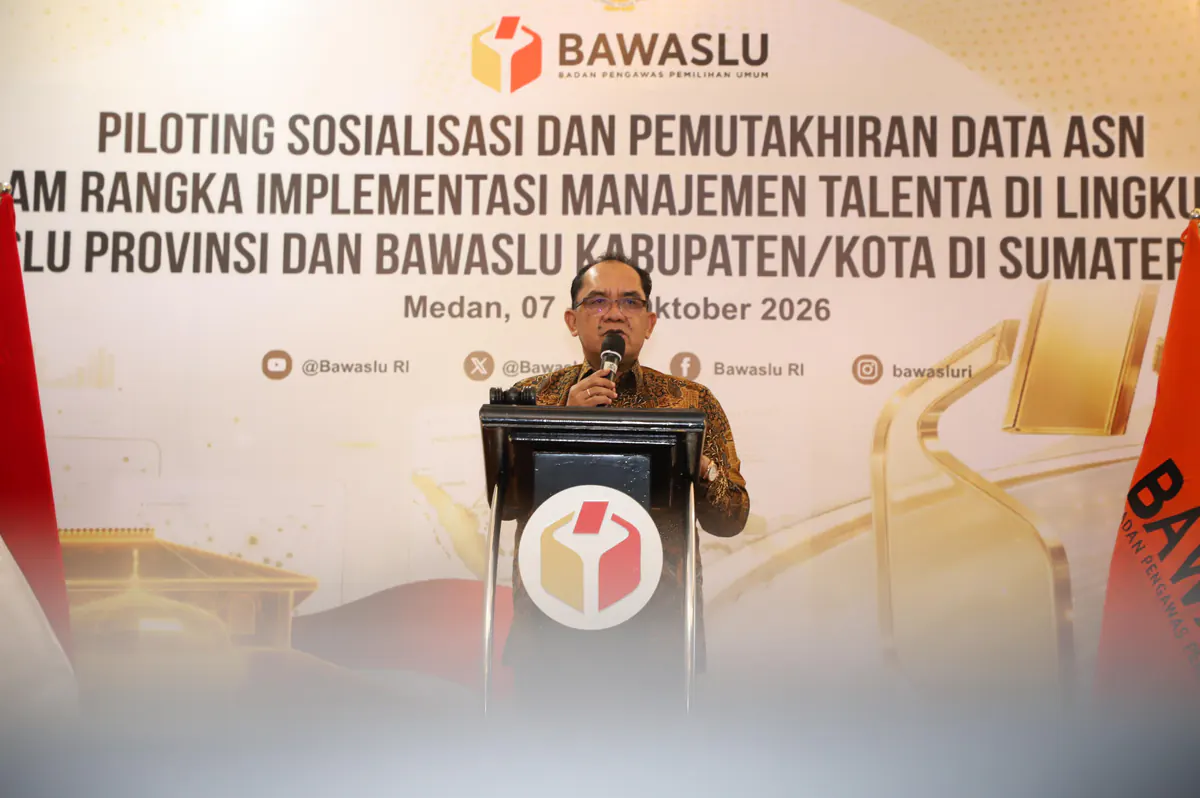
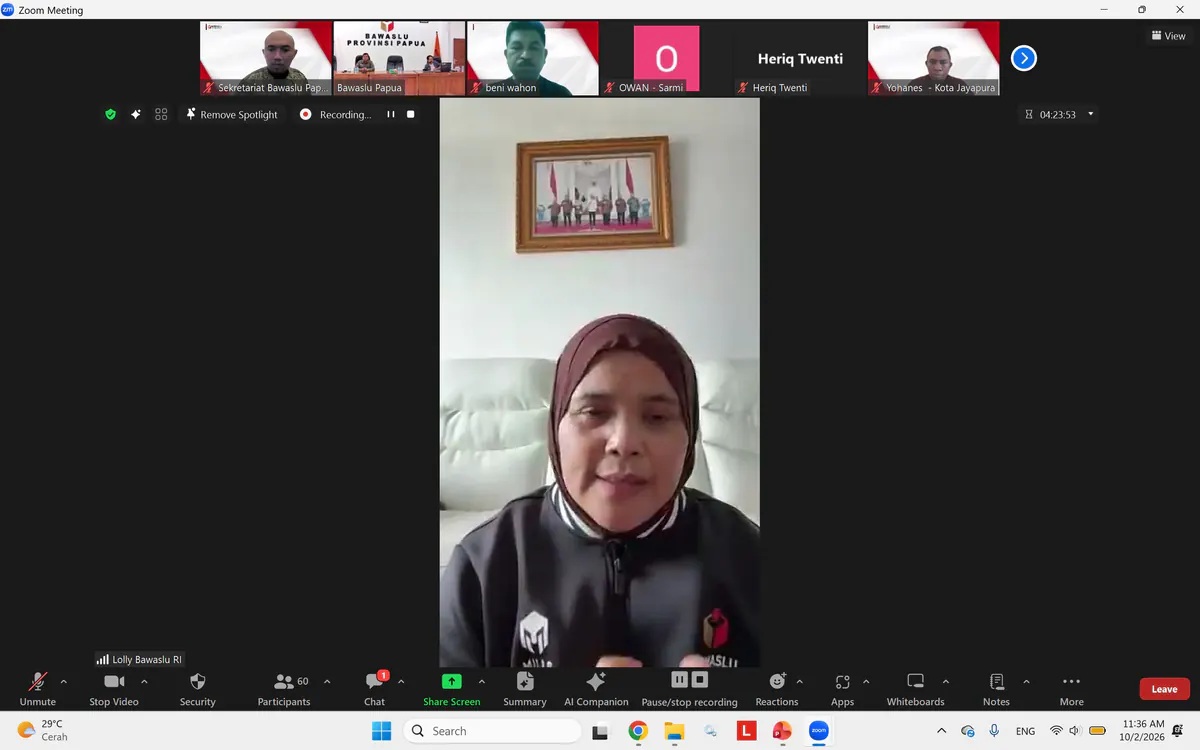
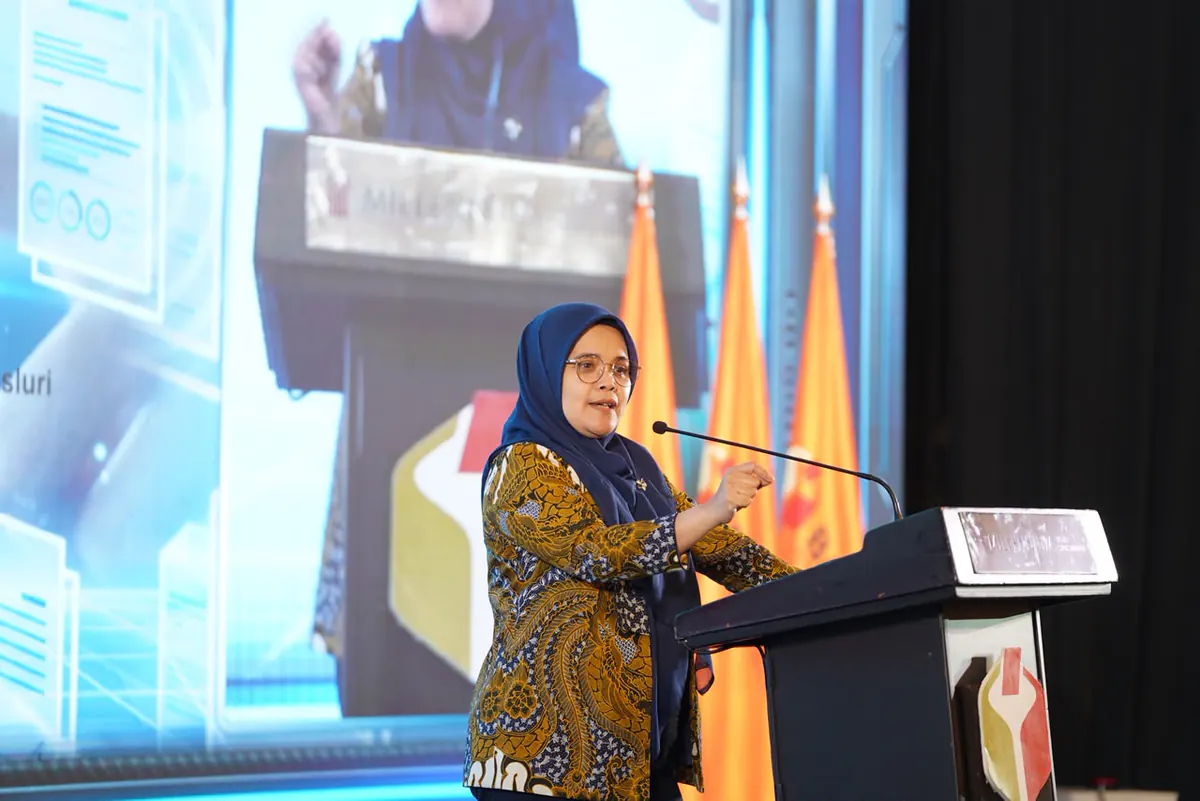
Indonesia's General Elections Supervisory Agency (Bawaslu) has begun reorganizing appointments to regional secretariat posts through talent management. The move was announced during an outreach and data update for civil servants (aparatur sipil negara, or ASN) in Medan, Sumatera Utara (North Sumatra), on Tuesday, 8 September 2026, according to Bawaslu.
Bawaslu's Deputy for Administration, La Bayoni, said Sumatera Utara was one of six provinces selected to pilot the program. The province was chosen because vacancy rates in Bawaslu's provincial and regency/city offices were considered high.
He said appointments must be based on employment requirements, performance and employee potential. “Employment requirements must be the main basis for proposing someone to hold a position,” La Bayoni said. Bawaslu is also opening staff transfers between regions and provinces according to organizational needs.
He added that updating ASN data was part of the reorganization ahead of upcoming election phases.
Talent management and vacancies
Talent management in the bureaucracy is generally understood as a way for organizations to map employees' competencies, performance and potential to fill available positions. This approach differs from appointments based solely on seniority or personal ties, because it uses personnel data as the basis for planning. At an election supervisory agency, secretariat positions provide administrative, budgetary, human resources and regional coordination support. Having the right officials in place helps maintain the organization's working rhythm during dense election phases.
Provincial and regency/city Bawaslu offices operate in a tiered structure. Regional secretariats support oversight activities, from data maintenance and administrative logistics to services for commissioners and field supervisors. Vacancies in these units can affect the speed of correspondence, budget accountability and readiness of election-phase documents. If functional or structural posts are empty, workloads can shift to other staff without a clear basis, risking slower administrative response.
Pilot programs are usually used before a policy is rolled out more widely. Tests in several provinces give personnel managers room to check the completeness of ASN data, rank compatibility and position needs. The results can form the basis for improving personnel information systems, transfers, promotions or cross-regional assignments. During the pilot, the agency can also test proposal procedures, document validation and coordination with civil service management bodies. Early findings are usually used for evaluation before the policy is expanded.
Civil servants in state institutions are subject to personnel rules governing rank, position, competence and integrity. That makes updating data important: outdated information can stall job proposals or trigger objections from other parties. In election oversight, job certainty is also linked to ASN neutrality, because secretariat staff must not be drawn into partisan matters. Neat data also facilitates internal oversight and personnel audits. Thus, reorganizing posts is not only about filling empty seats, but about preserving the organization's professionalism.
What it means for regional election oversight
For the public, reorganizing posts in election watchdog secretariats affects the quality of oversight services in the regions. When staffing needs are met and positions are filled according to requirements, the administrative processes of election phases can run more orderly. This matters because voters, election participants and field supervisors depend on the supervisory agency's response speed. In regions with high vacancy rates, the reorganization can reduce the accumulation of work on the same staff. With a more evenly distributed workload, support for commissioners and field supervisors is expected to remain uninterrupted.
The impact also touches public trust in the conduct of elections. The public can assess whether oversight runs professionally or is slowed by internal problems. Therefore, updating ASN data and talent management should be read as strengthening governance, not merely a personnel matter. Clear personnel governance can also reduce potential internal disputes, such as objections to transfers or promotions considered inconsistent with the rules.
Going forward, what needs attention is whether the pilot results truly fix vacancies and preserve staff neutrality. The public can also monitor whether regional secretariats can support oversight that is fast, accountable and free from practical political interests. If the reorganization is consistent, the public can be assured that election oversight does not depend on staff holding excessive overlapping duties. This is also relevant to civil servants building careers within Bawaslu. Transparency in the process is a measure, and accountability must continue to be maintained.
Related news
Hanura strengthens structure down to villages in Papua ahead of the 2029 elections.