Habib Aboe Urges Polri to Trace Information Flow in Alleged Illegal Tapping of President
Habib Aboe Bakar Alhabsyi, a member of the House of Representatives' Commission III, has asked the National Police (Polri) to fully investigate alleged illegal tapping of the President of the Republic of Indonesia and trace who received the intercepted information.
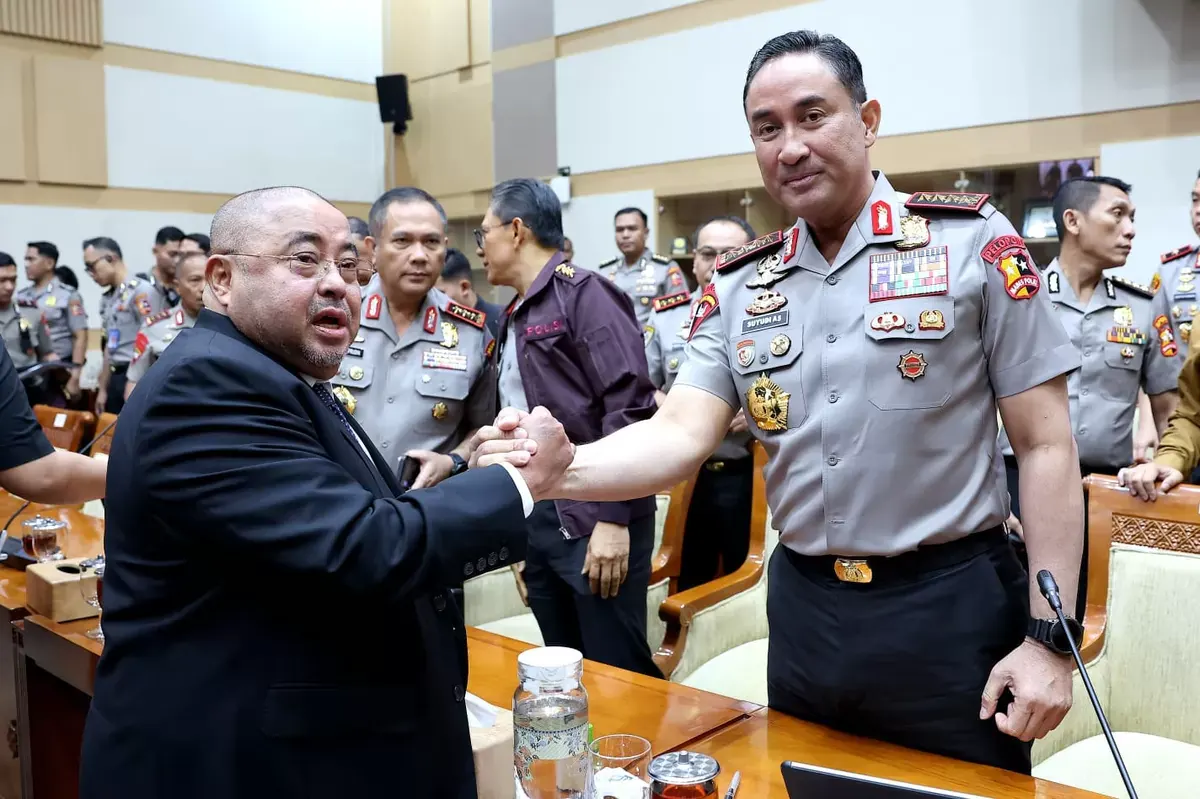
Habib Aboe Bakar Alhabsyi, a member of Commission III of the House of Representatives (DPR), has called on the National Police (Polri) to fully investigate alleged illegal tapping of the President of the Republic of Indonesia, including tracing who received the intercepted information. The demand came after Commission III held a working meeting with National Police Chief (Kapolri) General Suyudi Ario Seto at the Parliament Complex in Senayan, Jakarta, on Thursday, 12 November 2026, as reported by BeritaParlemen.
While Habib Aboe welcomed the disclosure of the case and the arrest of suspects, he said the investigation should not stop with those detained. He urged Polri to uncover the network behind the alleged tapping, its controllers, motive and the parties who may have benefited from the information.
The politician from the Prosperous Justice Party (PKS) faction described the alleged illegal tapping of the head of state as a serious threat to national security and government stability, and called for a transparent, professional and impartial legal process.
Parliamentary oversight of law enforcement
Commission III of the DPR has jurisdiction over law, human rights and security matters. In its oversight role, parliament can seek explanations from law enforcement agencies when a case touches broad public interest, particularly where a state symbol is involved. Such oversight may take the form of meetings, letters or requests for periodic reports. The aim is to ensure that an alleged violation involving the highest state office is not left without a verifiable explanation. Requesting accountability does not mean the DPR takes over the investigation; it seeks to ensure the process follows legal channels and does not stop at the lowest level of perpetrators.
Tapping is sensitive because it touches privacy, state secrets and public confidence in security institutions. In accountable practice, interception is normally limited by clear mechanisms, including court orders, investigative necessity, internal oversight and restricted access to intercepted material. When interception is carried out without a lawful basis, the risk extends beyond procedural violations to the leakage of strategic information that could be exploited by others.
The term information flow refers to the trail left by intercepted data. A wiretap recording may not remain raw; it can be transcribed, edited, summarized for intelligence purposes or shared with unauthorized parties. A thorough investigation would therefore need to establish who created the interception, who stored the material and who used the information.
Cases of this kind also test the relationship between the DPR and Polri. Parliament pushes for transparency, while police must protect the confidentiality of an investigation. The common ground is accountability: the public has a right to know that an alleged violation against the head of state is not allowed to fade away, but police must also safeguard material that could undermine the legal process. Without adequate explanation, speculation can grow and weaken trust in the state even before a final court verdict.
What the public should watch
For Indonesian readers, the alleged illegal tapping of the president may not immediately affect staple food prices or daily wages. Its main impact is on public confidence and the sense of security provided by state institutions. If alleged violations involving a state symbol are seen as being handled half-heartedly, the question becomes not only about one case, but whether data protection and oversight of the security apparatus are working.
The issue is also relevant as daily life becomes more digital. Many conversations, documents and transactions now take place through online services. When a state discusses alleged unauthorized interception, the public can draw practical lessons: limit digital footprints, use more secure communication channels for important matters, and avoid sharing personal data carelessly. These are not solutions to a political case, but reasonable precautions for individuals.
What should be watched next is whether Polri provides periodic updates within the limits allowed by the investigation, and whether the DPR uses its oversight powers to push accountability without encroaching on investigators' authority. The public will also need clarity on whether any parties are named as suspects, witnesses or defendants, and whether those mentioned issue denials. While the legal status remains unresolved, reporting must preserve the presumption of innocence. Uncertainty can fuel rumors, so limited official information is preferable to speculation that clouds the issue. That would help readers understand the boundary between political oversight, criminal investigation and privacy protection.