Central Java police uncover 59 subsidised fuel, LPG and illegal mining cases
Central Java police say they detained 79 suspects in cases involving subsidised fuel and LPG and illegal mining, saving state assets and subsidies worth Rp50.07 billion.
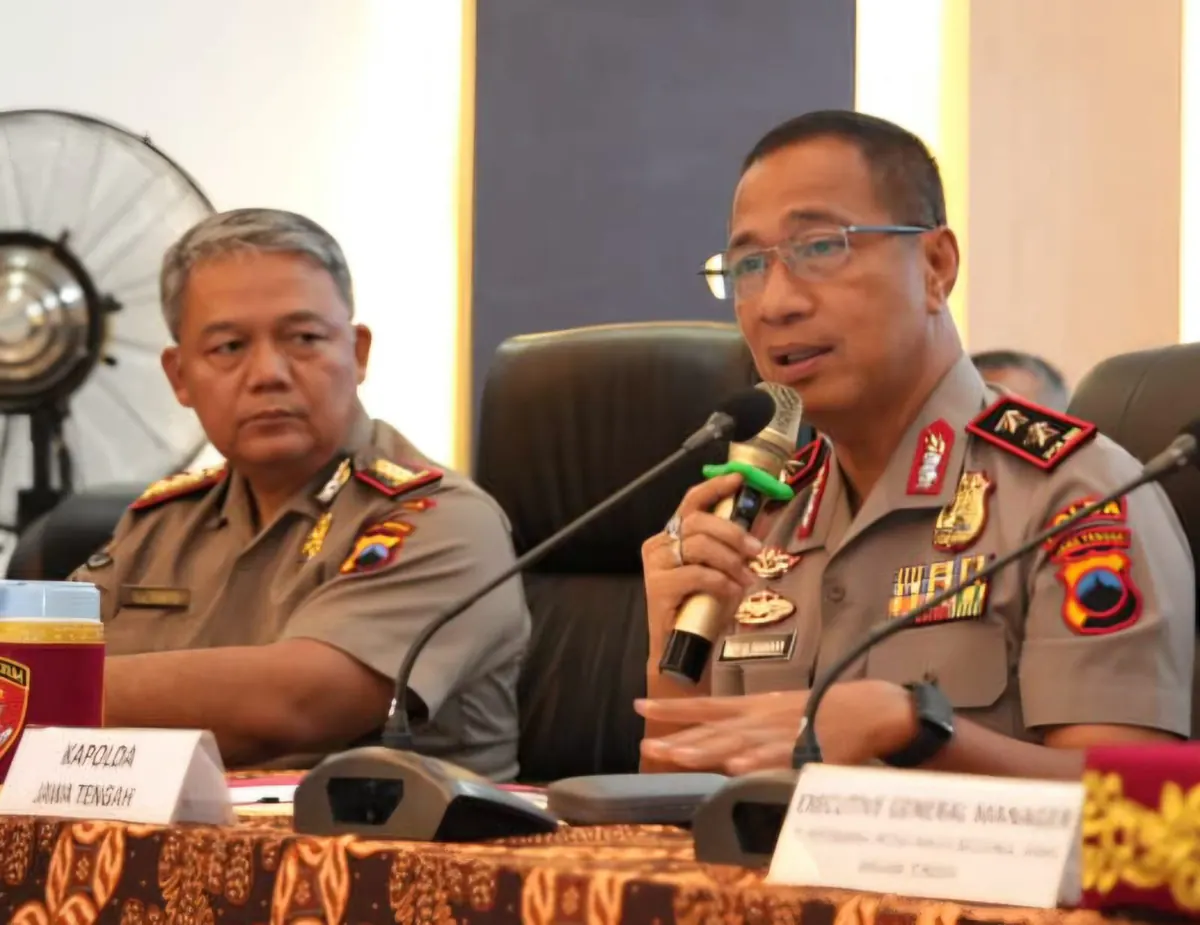
From 14 October to 13 November 2026, the Central Java Regional Police (Polda Jateng) said it had uncovered 59 cases involving the misuse of subsidised fuel (BBM) and liquefied petroleum gas (LPG), and illegal mineral and coal mining, according to a Jateng Pos report. Police detained 79 suspects and saved state assets and subsidies worth Rp50.07 billion (about $3.2 million).
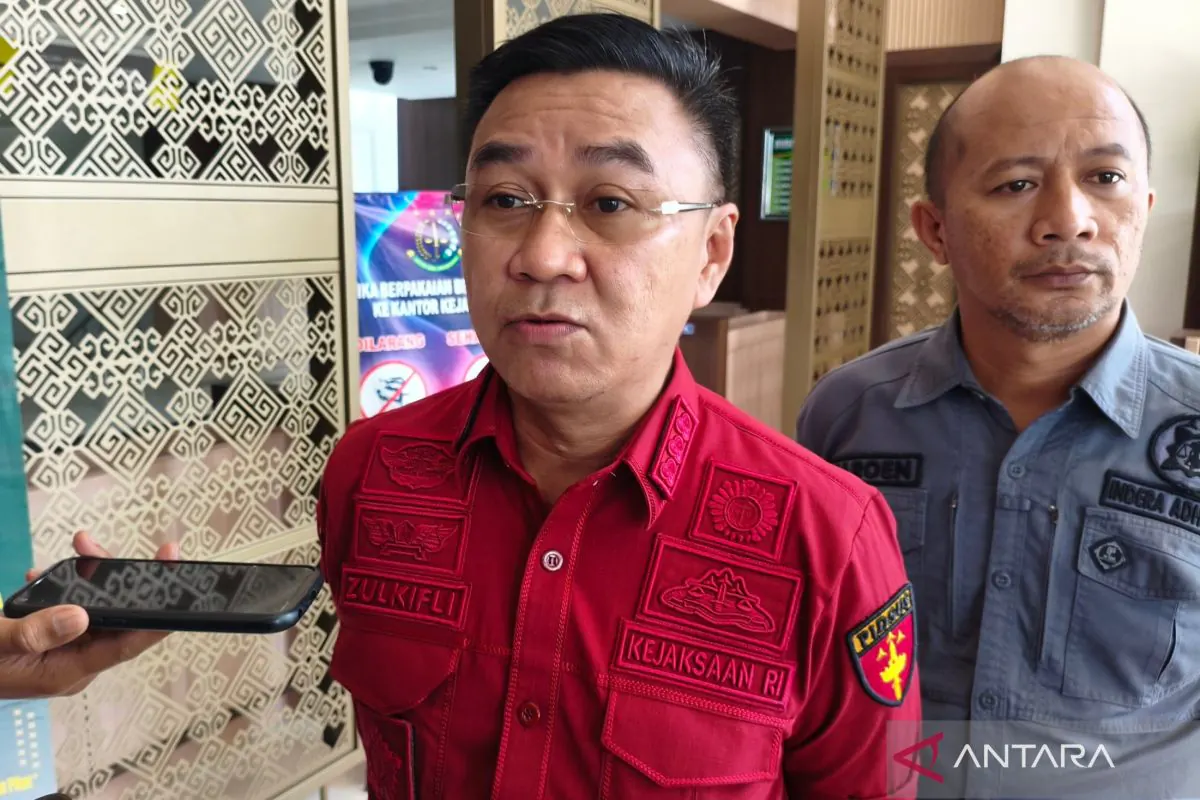
Central Java police chief Inspector General of Police Roy Hardi Siahaan announced the results at a press conference at the headquarters of the Directorate of Special Crimes Investigation (Ditreskrimsus) at the Central Java Regional Police. He detailed 46 subsidised fuel cases involving 61 suspects, with police seizing 67 vehicles and 63,219 litres of diesel (solar) and Pertalite. The methods included repeated purchases using QR codes and different number plates, modified tanks and stockpiling for resale.
Six subsidised LPG cases involved 10 suspects and 1,163 cylinders as evidence. Seven illegal mining cases involved eight suspects in Sukoharjo, Semarang, Jepara, Cilacap and Kendal. The police chief said companies suspected of benefiting from misused subsidised fuel or LPG could also be prosecuted.
Energy subsidy flow and vulnerable points
Energy subsidies in Indonesia are designed to keep prices for some fuels and LPG affordable for eligible groups. Diesel (solar), Pertalite and 3-kilogram LPG are usually sold at government-controlled prices, while non-subsidised products follow a broader market mechanism. In practice, subsidy eligibility is limited to categories of users, not all buyers. That price gap becomes a vulnerability: goods meant for households, small businesses or certain vehicles can be diverted to ineligible users because the margin is large.
Distribution monitoring usually relies on buyer identity, quotas, barcodes or QR-code-based purchase systems. When the rules are repeatedly broken with different number plates, modified tanks or stockpiling, what leaks is not only the volume of goods but also the distribution data. Cases involving 3-kilogram LPG transferred into non-subsidised cylinders show a similar pattern: official packaging is altered and the product is then sold at market prices. Enforcement therefore cannot stop at drivers or field operators.
In the mining sector, mineral and coal mining operates under a licensing regime different from energy trade. Fill soil, sand, stone and broken stone still require permits, including when activities are carried out on land that may appear to have little value. Problems arise when production permits expire, work areas are unclear, or operators continue using heavy equipment without documents. In this context, dump trucks and heavy equipment are evidence that the activity is not merely household work but an operation requiring capital, buyer networks and storage.
The Oil and Gas Law (UU Migas) and the Mineral and Coal Mining Law (UU Minerba) provide the legal basis for acting against those who violate supply chains or business permits. However, in cases that have not received a final and binding court decision, all parties named as suspects must be treated under the presumption of innocence. Effective law enforcement also depends on coordination with official distributors, local governments and environmental supervisors, because state losses, safety risks and land damage often occur together.
Impact on consumers and businesses
For readers in Indonesia, cases like this are not merely criminal records. When subsidised fuel and LPG are diverted, eligible consumers may face queues, thinning stocks or higher real prices at retail level. In regions, illegal mining can also damage roads, irrigation and farmland. Subsidies that leave their intended channel also prevent state funds from reaching their target, narrowing policy space for social assistance, infrastructure or clean-energy programmes.
For businesses, legal risk now extends from field operators to end users that receive benefits. Factories, contractors or logistics firms that use subsidised fuel and LPG outside their permitted purpose may also be investigated. Companies therefore need to organise purchase documents, separate subsidised and non-subsidised energy needs, and ensure their supply chains do not depend on unclear retailers.
For the public, steps that can be taken are buying fuel and LPG according to entitlement, not helping transfer cylinders, and reporting suspected stockpiling or unlicensed mining. The 110 call centre provides a reporting channel, although follow-up still requires evidence and investigation. As long as subsidised prices are maintained, oversight will remain an annual task rather than a one-off event.
Related news
Pati police suspect subsidised diesel misuse through fishermen's barcode; East Java Regional Police deploy 3,000 personnel to secure aspirations in Surabaya; Central Java women and child protection reaches 576 districts.